
Taking control of your personal finances can feel overwhelming, especially when faced with rising costs of living, unexpected expenses, and complex financial advice. However, achieving financial clarity does not require a degree in economics. It starts with one fundamental practice: creating and maintaining a budget.
A budget is not a set of restrictive rules designed to eliminate all joy from your life; rather, it is a strategic roadmap that gives every unit of currency you earn a clear purpose. By taking control of your cash flow, you move from passive financial stress to proactive financial freedom.
1. Step One: Calculate Your Net Income
Before determining where your money should go, you must know exactly how much is coming in. Many people make the mistake of budgeting based on their gross salary (total earnings before deductions). However, your real budget must rely on your net income—the actual amount deposited into your bank account after taxes, retirement contributions, healthcare premiums, and other automated deductions.
- Fixed Income: Include your primary paycheck or salary.
- Variable Income: If you work as a freelancer, receive commissions, or rely on hourly shifts, average your net earnings over the past three to six months to establish a conservative baseline.
- Side Hustles and Secondary Sources: Include regular passive income, rental income, or side project revenue, but only if it is consistent.
Knowing your exact net baseline prevents overspending before the month even begins.
2. Step Two: Track and Categorize Your Monthly Expenses
Once you know your income, the next step is discovering where your money currently goes. Review your bank statements, credit card bills, and digital receipts from the past two to three months. Group your spending into two distinct categories:
Fixed Expenses
These are mandatory, predictable costs that remain relatively constant each month:
- Housing (Rent or Mortgage payments)
- Utilities (Electricity, water, gas, internet)
- Debt minimums (Student loans, car payments, personal loans)
- Insurance policies (Health, auto, home)
Variable and Discretionary Expenses
These costs fluctuate monthly and are largely within your control:
- Groceries and dining out
- Transportation and fuel
- Entertainment and subscriptions
- Personal care, clothing, and hobbies
Tracking expenses often reveals hidden “leaks”—such as forgotten recurring subscriptions or frequent small purchases—that cumulatively undermine your financial health.
3. Step Three: Choose a Budgeting Method That Fits Your Lifestyle
There is no single budgeting system that works for everyone. The best framework is the one you can adhere to consistently over time. Three of the most proven strategies include:
The 50/30/20 Rule
Popularized for its simplicity, this method divides your net income into three functional buckets:
- 50% Needs: Essential survival costs (housing, groceries, utilities, basic transportation).
- 30% Wants: Lifestyle choices (dining out, travel, entertainment, specialized subscriptions).
- 20% Savings & Debt Repayment: Building an emergency fund, investing, or paying down debt beyond minimum payments.
Zero-Based Budgeting
In a zero-based budget, Income – Expenses = Zero. Every single dollar is assigned a job—whether that job is paying rent, buying groceries, or moving into a high-yield savings account. If you have $100 left over at the end of your planning, you allocate it toward a specific goal until no unassigned money remains.
The Envelope System
Best suited for those who struggle with overspending on variable categories, this tactile method involves withdrawing cash for variable expenses (like groceries or entertainment) and placing exact amounts into labeled envelopes. Once the cash in an envelope is gone, spending in that category stops until the next pay period.
4. Step Four: Prioritize an Emergency Fund and High-Interest Debt
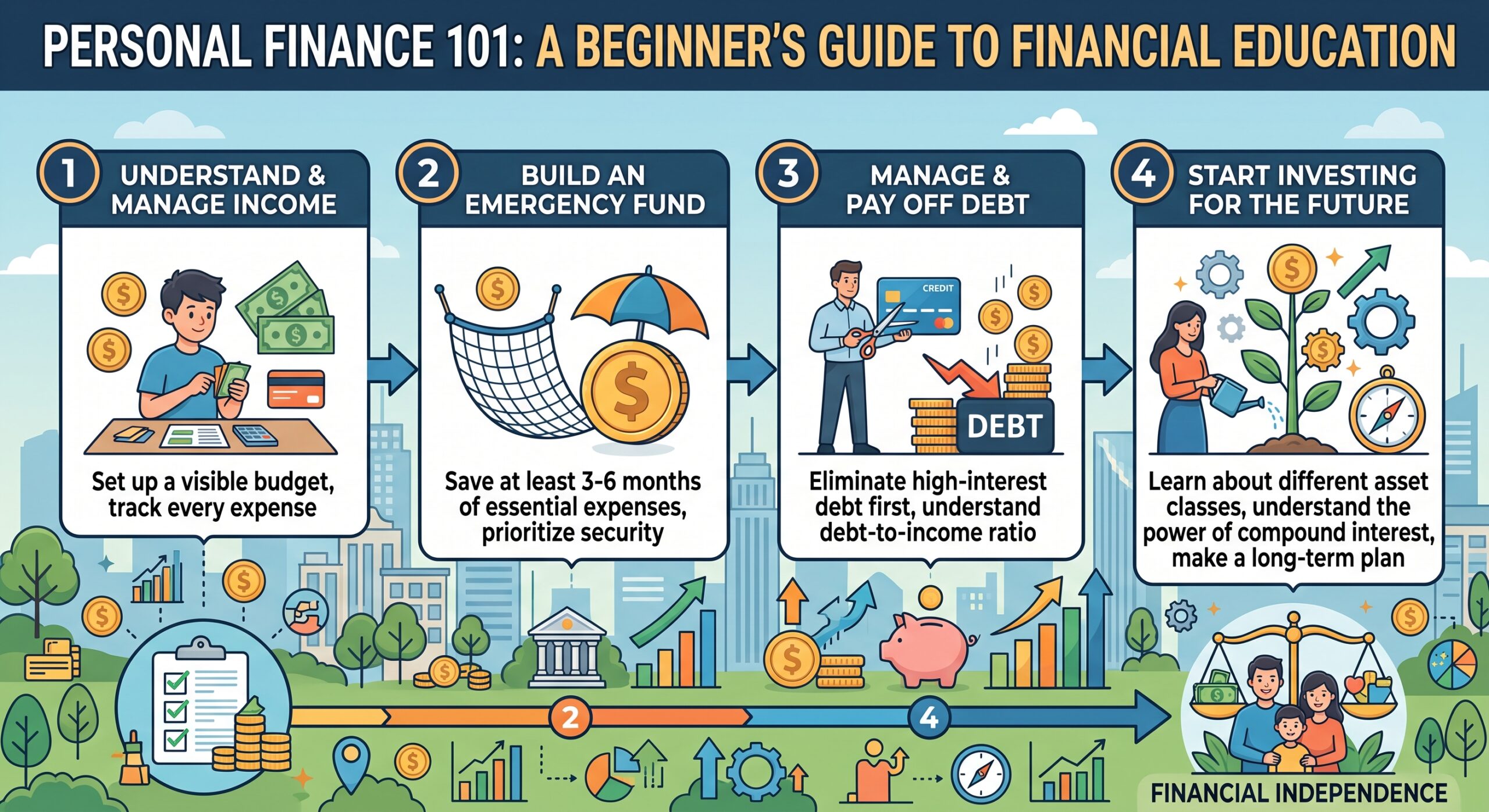
A sustainable budget does more than balance monthly cash flow; it insulates you against future financial shocks. Two primary objectives should sit at the top of your priority list:
Building an Emergency Cushion
An emergency fund prevents you from relying on high-interest credit cards when unpredictable events happen—such as medical bills, car repairs, or sudden income loss.
- Initial Goal: Save a starter fund of $1,000 as quickly as possible.
- Long-Term Goal: Build three to six months’ worth of essential living expenses in an accessible, high-yield savings account.
Eliminating High-Interest Debt
Carrying balances on high-interest credit cards or consumer loans erodes your building power. Use one of two popular repayment methods to eliminate debt systematically:
- Debt Avalanche Method: Pay minimums on all accounts, then allocate extra funds to the debt with the highest interest rate. This saves the most money mathematically over time.
- Debt Snowball Method: Pay off the smallest balance first for quick psychological wins, then roll that payment capacity into the next smallest debt.
5. Step Five: Automate and Review Regularly
A budget is a dynamic tool, not a static document. Your income, expenses, and priorities will evolve over time.
- Automate Savings and Bills: Set up automatic transfers to your savings accounts on payday. Automating fixed bill payments eliminates late fees and reduces cognitive load.
- Schedule Weekly Check-Ins: Spend 10 to 15 minutes each week reviewing your spending against your budget goals to catch overspending early.
- Adjust Seasonally: Factor in irregular expenses like holiday gifts, annual car maintenance, or seasonal vacations by creating dedicated “sinking funds”—saving small monthly amounts throughout the year for specific future costs.
Final Thoughts: Building Long-Term Financial Autonomy
Budgeting is not about deprivation; it is about intentionality. By taking the time to understand your net cash flow, setting up a system that aligns with your lifestyle, and staying consistent with regular check-ins, you gain total clarity over your financial health. Start small, focus on building consistency, and adjust as you grow. Financial control is built step by step, and every proactive financial choice you make today builds a more secure tomorrow.