
Navigating personal finance can often feel like walking through a minefield. With constant economic shifts, rising living costs, and endless consumer options, making smart money choices is increasingly challenging. Yet, long-term financial security rarely depends on generating an extraordinary income; rather, it hinges on avoiding critical financial errors that quietly erode wealth over time.
By identifying the most frequent financial missteps and adopting structured strategies to prevent them, you can build a resilient foundation for your short- and long-term financial goals.
1. Operating Without a Defined Budget
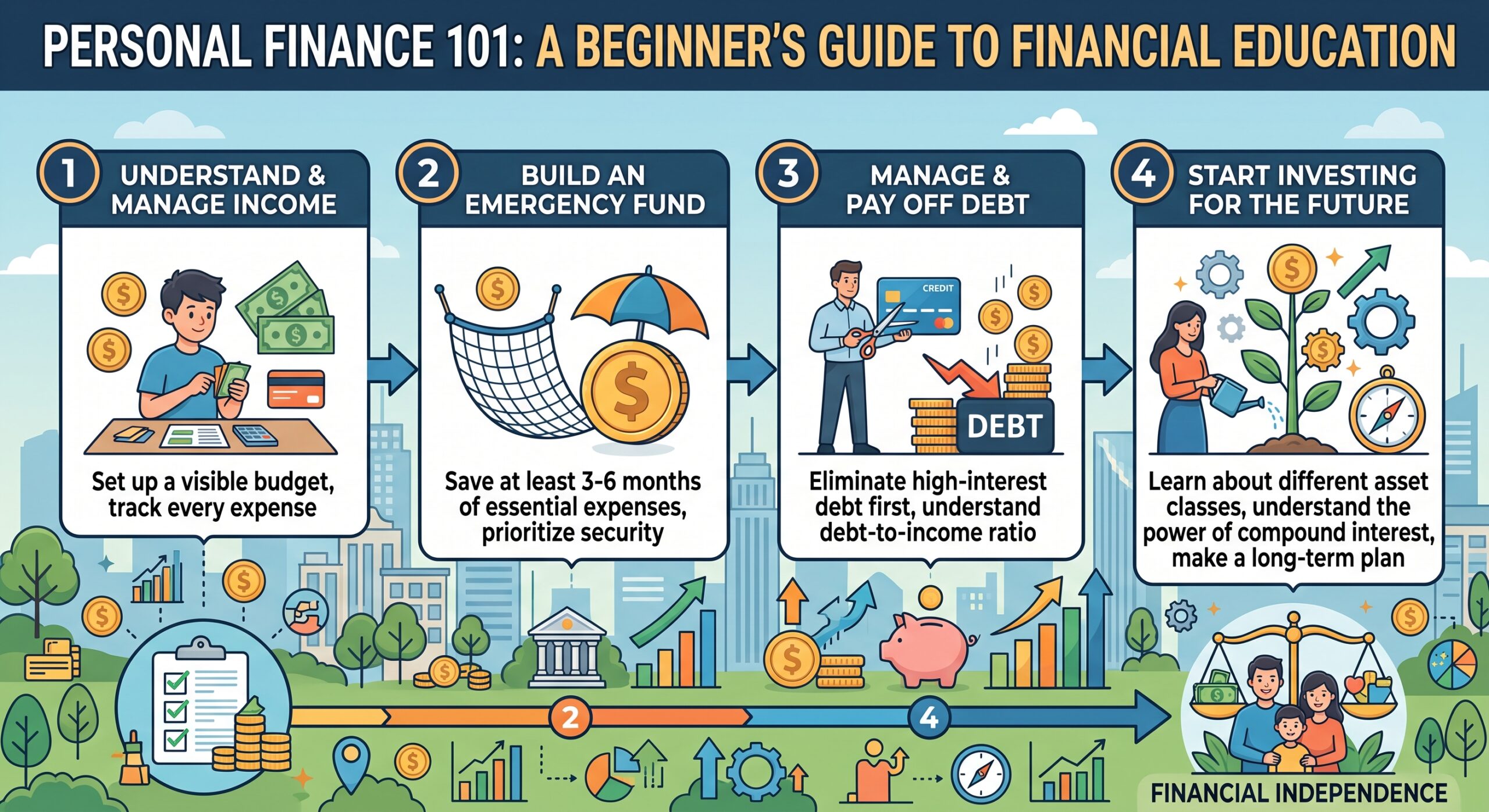
One of the most widespread financial mistakes is living without a structured spending plan. Many people confuse checking their bank account balance with tracking their finances. Without a budget, micro-expenses—such as recurring subscriptions, daily coffees, and spontaneous online shopping—accumulate unnoticed, leaving little room for saving or investing.
How to Avoid It:
- Adopt a Simple Budgeting Framework: Use the 50/30/20 rule as a baseline: allocate 50% of your net income to needs (housing, utilities, groceries), 30% to wants (entertainment, dining out), and 20% toward savings and debt repayment.
- Track Everything for 30 Days: Log every purchase using a spreadsheet or budgeting app to gain complete visibility into your spending habits.
- Review Monthly: Treat your budget as a living document. Adjust categories as your lifestyle and income evolve.
2. Neglecting an Emergency Fund
Failing to establish a cash reserve for unexpected events—such as sudden medical bills, car repairs, or temporary job loss—leaves you financially vulnerable. When life happens, individuals without cash savings often rely on high-interest credit cards or loans, initiating a cycle of debt that is difficult to break.
How to Avoid It:
- Target 3 to 6 Months of Expenses: Calculate your essential monthly living costs and set a goal to save three to six months’ worth of funding.
- Keep It Liquid and Separate: Store your emergency reserve in a high-yield savings account (HYSA) that keeps the money accessible while earning a competitive interest rate, distinct from your main checking account.
- Automate Your Contributions: Set up automatic monthly transfers from your checking account to your emergency fund immediately after payday.
3. Carrying High-Interest Consumer Debt
Not all debt is created equal, but high-interest debt—particularly credit card balances—is an absolute drag on wealth building. With interest rates frequently exceeding 18% to 25% annually, carrying a revolving credit balance means paying significantly more for past purchases while forfeiting your future compounding potential.
| Debt Strategy | Focus Area | Primary Benefit |
|---|---|---|
| Debt Avalanche | Highest interest rate first | Saves the most money in interest payments over time. |
| Debt Snowball | Smallest balance first | Builds psychological momentum through quick victories. |
How to Avoid It:
- Pay Credit Cards in Full: Treat credit cards like debit cards—only charge what you can pay off in full every single month.
- Choose a Payoff Strategy: If you carry debt, utilize either the Debt Avalanche method (paying off highest interest rate balances first) or the Debt Snowball method (paying off smallest balances first) to systematically eliminate what you owe.
4. Delaying Investing and Ignoring Compound Interest
A frequent misconception is that you need a significant amount of capital before you start investing. Delaying investment decisions until “later in life” costs you the most valuable financial asset you possess: time. Compound interest yields the greatest returns when given decades to multiply.
How to Avoid It:
- Start Early, Even Small: Begin investing modest amounts regularly through broad-market index funds or low-cost exchange-traded funds (ETFs).
- Maximize Employer Matches: If your employer offers a retirement contribution match, contribute at least enough to receive the maximum match—it is effectively free money.
- Automate Investments: Set up recurring contributions to your retirement or investment portfolio so wealth accumulation happens on autopilot.
5. Falling Victim to Lifestyle Creep
Lifestyle creep occurs when your spending expands in direct proportion to your income increases. When professionals earn raises or bonuses, there is a natural impulse to immediately upgrade housing, vehicles, or dining choices. Consequently, higher earnings fail to translate into greater net worth.
How to Avoid It:
- “Save” Your Raises: Whenever you receive a raise or promotion, direct at least 50% of the pay increase straight into your savings or investment accounts before adjusting your day-to-day lifestyle.
- Differentiate Needs from Wants: Pause before making major upgrade purchases and evaluate whether the expenditure aligns with your long-term goals or simply offers short-term gratification.
6. Lacking Clear Financial Goals
Navigating personal finance without defined objectives is like driving without a destination. Without tangible targets, maintaining the discipline required to save and invest consistently becomes significantly harder.
How to Avoid It:
- Set S.M.A.R.T. Goals: Establish financial targets that are Specific, Measurable, Achievable, Relevant, and Time-bound (e.g., “Save $10,000 for a home down payment within 24 months”).
- Divide Goals by Timeframe:
- Short-term (0–2 years): Emergency fund, vacation, major purchases.
- Medium-term (2–7 years): Property purchase, starting a business.
- Long-term (7+ years): Retirement, wealth preservation.
Summary Checklist for Long-Term Financial Health
Building sustainable wealth does not demand complex strategies or stock-market timing. Instead, it relies on consistency, discipline, and avoiding preventable mistakes.
- Maintain a realistic, tracked budget.
- Build a 3- to 6-month emergency reserve.
- Eliminate high-interest consumer debt aggressively.
- Invest consistently to leverage compound growth.
- Control lifestyle inflation as your income grows.
By systematically addressing these common pitfalls, you regain control over your financial trajectory and position yourself for enduring financial independence.