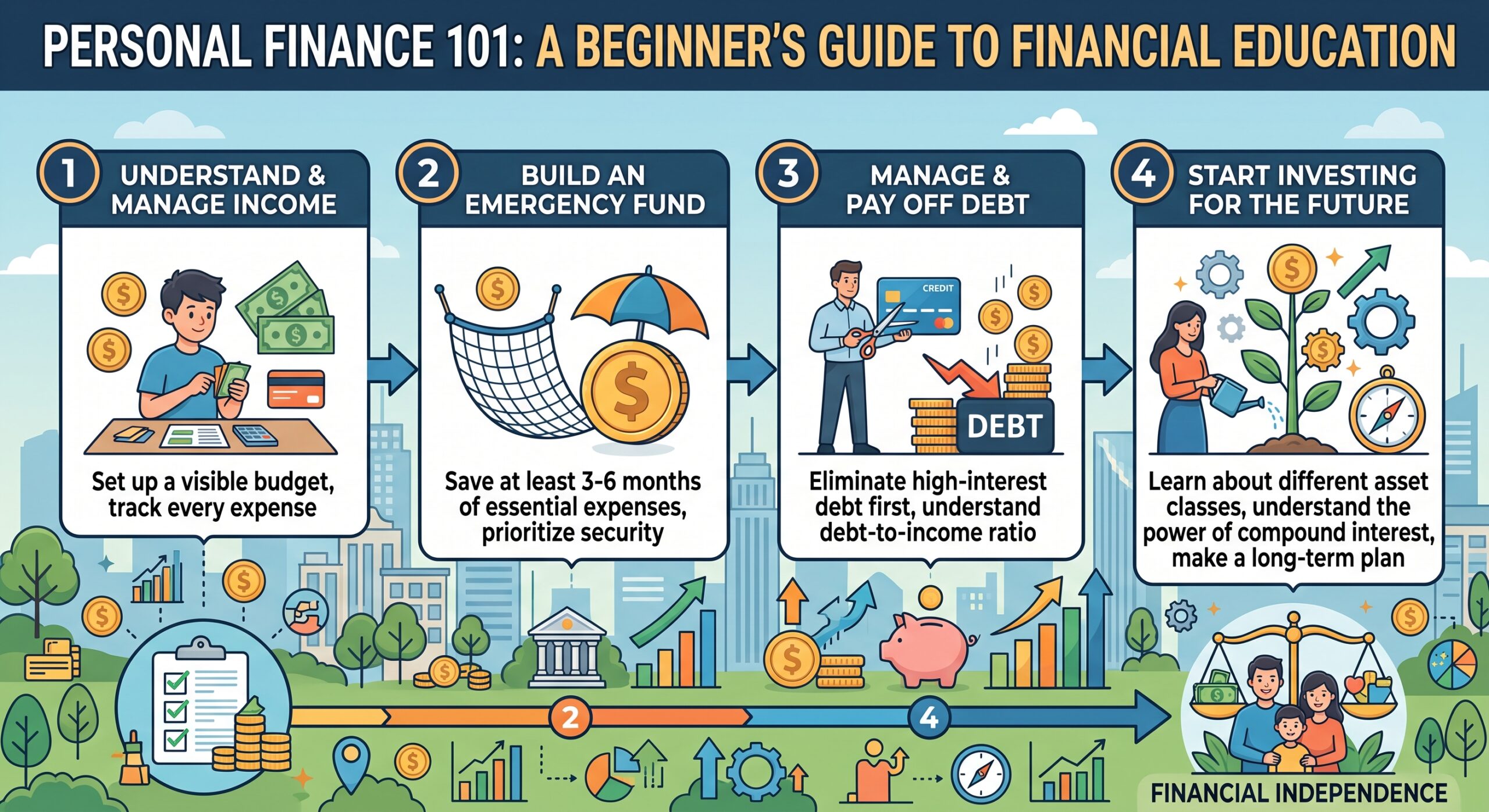

Building long-term wealth requires a strategic shift from simply saving money to acquiring assets that generate continuous cash flow. In today’s dynamic macroeconomic landscape, relying solely on capital appreciation can expose portfolios to unnecessary market volatility. Income-producing assets, often referred to as passive income generators, provide a financial cushion, allow for automated compounding, and pave the way toward financial independence.
This comprehensive guide breaks down the top income-producing assets that modern investors utilize to build reliable, diversified, and resilient cash-flowing portfolios.
1. Dividend-Paying Stocks and Income ETFs
For investors seeking a balance between ongoing liquidity and long-term capital growth, dividend equities remain a foundational asset class.
High-Yield vs. Dividend Growth
When building an income-focused equity portfolio, investors typically choose between two main strategies:
- High-Yield Stocks: These are companies—often in mature sectors like utilities, telecommunications, or energy—that pay out a significant percentage of their earnings as immediate dividends.
- Dividend Aristocrats and Kings: These are elite publicly traded companies that have consistently increased their dividend payouts for at least 25 or 50 consecutive years, respectively. While their initial yields might be lower, their cash flows historically outpace inflation.
Dividend Exchange-Traded Funds (ETFs)
For hands-off diversification, Dividend ETFs pool hundreds of dividend-paying companies into a single liquid asset. Funds tracking high-quality dividend indexes offer a built-in safety net, minimizing the corporate default risk associated with individual stock picking.
2. Real Estate Investment Trusts (REITs)
Real estate has long been a premier asset for cash flow, but direct property management comes with significant operational headaches, tenant management liabilities, and high capital barriers. Real Estate Investment Trusts (REITs) solve this dilemma.
The 90% Rule: By law, publicly traded REITs are legally required to distribute at least 90% of their taxable income back to shareholders in the form of dividends. In exchange, these corporations maintain a unique tax-exempt status at the corporate level.
Investors can target specific economic sectors through specialized REITs:
- Residential REITs: Managing multi-family apartment complexes and manufactured housing.
- Healthcare REITs: Focusing on hospitals, medical office buildings, and senior living communities.
- Data Center and Infrastructure REITs: Powering the digital economy by leasing physical space to technology and cloud-computing giants.
3. High-Yield Fixed Income and Private Credit
The global shift in central bank monetary policies over recent years has firmly brought fixed-income instruments back into focus for income-seeking investors.
Corporate and Municipal Bonds
Investment-grade corporate bonds provide fixed coupon payments over a predetermined maturity timeline, offering a highly predictable yield structure. For investors in higher tax brackets, municipal bonds (issued by state or local government entities) provide a highly compelling alternative, as their income distributions are often exempt from federal, state, and local income taxes.
The Rise of Private Credit
As traditional banking institutions have tightened corporate lending standards, institutional private credit and middle-market business development companies (BDCs) have stepped in to fill the void. BDCs operate similarly to REITs but invest in the debt or equity of private middle-market businesses instead of real estate. They frequently offer yields ranging from 8% to 12%, though they carry elevated credit risk during macroeconomic downturns.
4. Short-Term Cash Equivalents
When market volatility spikes, capital preservation becomes just as critical as yield generation. Short-term cash equivalents allow investors to earn a competitive return while maintaining maximum portfolio liquidity.
| Asset Type | Primary Benefit | Ideal For |
| High-Yield Savings Accounts (HYSAs) | Daily liquidity, FDIC insured up to $250,000. | Emergency funds and short-term capital reserves. |
| Money Market Funds (MMFs) | Higher yields via short-term Treasury bills. | Parking idle investment capital between market trades. |
| Certificates of Deposit (CDs) | Guaranteed fixed interest rates for a set duration. | Locking in yield when interest rates are projected to fall. |
5. Alternative and Digital Income Assets
For sophisticated investors looking outside of traditional Wall Street frameworks, alternative asset classes offer unique cash-flow mechanisms that operate independently of the broader stock and bond markets.
Royalty Income
Investing in royalties allows individuals to purchase fractional ownership rights to intellectual property, such as music catalogs, literary works, or corporate patents. Platforms specializing in royalty syndication enable investors to collect a percentage of revenue every time a song is streamed, a book is purchased, or a patented technology is utilized.
Digital Validation and Staking
Within the evolving digital asset ecosystem, Proof-of-Stake (PoS) consensus mechanisms have introduced an entirely new form of income generation known as crypto staking. By locking up native digital assets to help validate transactions and maintain network security, participants receive programmatic protocol rewards. While the yields can be high, investors must carefully weigh this strategy against the underlying price volatility of digital assets and smart contract vulnerabilities.
Building an Optimized Income Portfolio
Successfully executing an income-focused strategy requires careful balance. Yield chasing—the practice of blindly investing in assets solely because they offer the highest displayed percentage return—frequently leads to “value traps,” where the underlying asset depreciates faster than the cash distributions are paid out.
A resilient income portfolio should prioritize diversification across asset classes, consistent reinvestment of surplus cash flow to harness the power of compounding interest, and a deep understanding of the individual tax implications associated with different income streams. By deliberately stacking these cash-flowing building blocks over time, investors can systematically establish a financial engine capable of funding their lifestyle independent of active corporate employment.
Disclaimer: The information provided in this article is strictly for educational and informational purposes and does not constitute professional financial, tax, or investment advice. Investors should consult with a certified financial planner before making any allocation decisions.