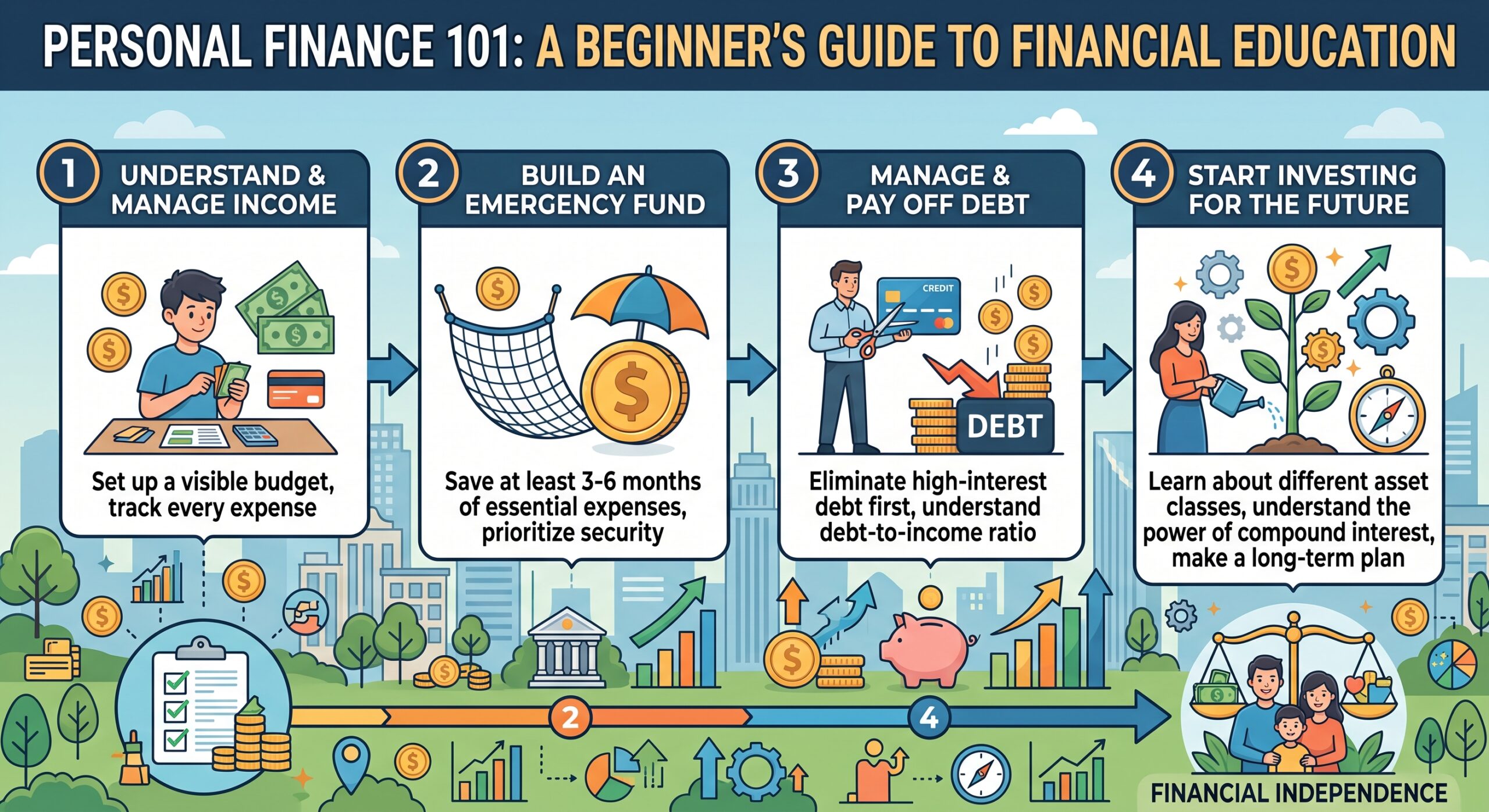

In an economic landscape characterized by market volatility and shifting monetary policies, the allure of a predictable income stream has never been stronger. Whether you are looking to supplement your primary income, fund a lifestyle, or build a resilient retirement portfolio, steady cash flow investments provide a financial cushion that growth-focused assets simply cannot match.
While growth investing focuses on long-term capital appreciation, income investing prioritizes regular, tangible payouts. Navigating this space successfully requires balancing yield against risk, inflation, and liquidity.
The Power of Cash Flow Investing
Before diving into specific vehicles, it is essential to understand why cash flow matters. Reliable income streams provide structural stability to a portfolio. During market downturns, when equity prices fall, income-generating assets continue to distribute cash, reducing the need to liquidate investments at a loss to cover living expenses.
Furthermore, cash flow facilitates compound growth. By reinvesting regular payouts into new income-generating assets, you trigger a compounding effect that can exponentially accelerate wealth accumulation over time.
1. High-Yield Dividend Stocks and ETFs
For investors seeking a balance between ongoing income and long-term capital growth, dividend-paying equities remain a cornerstone strategy.
Dividend Aristocrats and Kings
When building an individual stock portfolio for cash flow, reliability is paramount. Investors often look toward Dividend Aristocrats (companies in the S&P 500 that have increased their dividend payouts for at least 25 consecutive years) or Dividend Kings (companies with 50-plus years of consecutive increases). These businesses typically possess mature business models, robust balance sheets, and steady consumer demand, allowing them to maintain payouts even during economic recessions.
Dividend Exchange-Traded Funds (ETFs)
If managing individual stocks requires too much oversight, dividend ETFs offer instant diversification. Funds that track high-yield indices or focus on dividend growth distribute risk across hundreds of companies. This approach mitigates the impact of a single company cutting or suspending its dividend payment.
2. Real Estate Investment Trusts (REITs)
Direct real estate investment offers excellent cash flow, but it demands significant capital, property management, and ongoing maintenance. Real Estate Investment Trusts (REITs) solve this problem by allowing individuals to invest in large-scale, income-producing real estate without buying physical properties.
By law, REITs must distribute at least 90% of their taxable income to shareholders in the form of dividends. This structural requirement makes them exceptionally high-yielding vehicles compared to standard equities.
┌────────────────────────────────────────────────────────┐
│                     REIT Typologies                    │
├──────────────────────────┬─────────────────────────────┤
│ Residential REITs        │ Apartment complexes and     │
│                          │ manufactured housing        │
├──────────────────────────┼─────────────────────────────┤
│ Retail REITs             │ Shopping centers and        │
│                          │ freestanding retail sites   │
├──────────────────────────┼─────────────────────────────┤
│ Healthcare REITs         │ Hospitals, medical labs,    │
│                          │ and senior living facilities│
├──────────────────────────┼─────────────────────────────┤
│ Industrial REITs         │ Logistics centers and       │
│                          │ e-commerce warehouses       │
└──────────────────────────┴─────────────────────────────┘
Investing in specialized REITs allows you to align your portfolio with broader macroeconomic trends—such as the e-commerce boom driving the need for industrial warehouses.
3. Fixed-Income Securities and Treasury Instruments
The macroeconomic shifts of recent years have revitalized the fixed-income market. Higher central bank interest rates mean that low-risk government and corporate bonds now offer competitive yields that can outpace inflation.
Government Bonds and Treasuries
U.S. Treasury securities, backed by the full faith and credit of the government, are considered among the safest investments globally. Treasury Notes (2 to 10-year maturities) and Treasury Bonds (30-year maturities) pay interest semi-annually, providing a rock-solid foundation for a conservative income stream.
Corporate Bonds
For higher yields, corporate bonds allow investors to lend money to private enterprises. Investment-grade corporate bonds offer a sweet spot between risk and reward, yielding higher returns than government debt while maintaining a low probability of default.
4. Alternative Real Assets: Timberland and Agriculture
For sophisticated investors looking to diversify away from traditional stock and bond markets, alternative real assets offer uncorrelated, steady cash flow alongside unique sustainability advantages.
Timberland Investment
Timberland operates on a unique biological growth model. Trees grow regardless of macroeconomic conditions or stock market performance. Cash flow is generated through periodic, strategic timber harvesting. A major advantage of timberland is its built-in flexibility: if timber prices drop, institutional managers can simply delay the harvest, allowing the assets to literally grow in volume and value until market conditions improve.
Farmland and Agriculture
Global food demand is consistently rising, driven by population growth and shifting dietary habits. Farmland investments generate cash flow through annual crop sales or cash rents paid by operators. Because arable land is a finite resource, it serves as an excellent hedge against long-term inflation while delivering predictable, non-cyclical yields.
5. Peer-to-Peer (P2P) Lending and Private Credit
The rise of financial technology has democratized access to debt markets through Peer-to-Peer (P2P) lending platforms and private credit funds. Instead of a bank earning interest on loans, individual investors act as the lender.
Investor Capital ──> P2P Platform/Private Credit ──> Borrowers (SMEs/Individuals)
      ^                                                     │
      └────────────────── Monthly Repayments ───────────────┘
                     (Principal + High Interest)
Through these platforms, capital is pooled to issue loans to individuals or small-to-medium enterprises (SMEs). Investors receive monthly distributions consisting of both principal and interest. While private credit carries a higher risk of borrower default than corporate bonds, investors can mitigate this risk by diversifying across thousands of micro-loans on the platform.
Strategic Risk Management for Income Portfolios
Securing a steady financial runway requires proactive portfolio management. When designing a cash-flow strategy, keep these core principles in mind:
- Avoid the “Yield Trap”: An exceptionally high yield is often a red flag. If a stock offers a 12% dividend yield, it may indicate that the company’s share price has crashed due to underlying structural issues, making the current dividend payout unsustainable.
- Factor in Taxation: Different income streams are taxed at different rates. For instance, qualified stock dividends often receive preferential tax treatment compared to ordinary REIT distributions or interest income from corporate bonds.
- Balance Inflation Risk: Fixed-income instruments like traditional bonds are highly sensitive to inflation. Over time, rising prices erode the purchasing power of fixed payments. Pairing bonds with inflation-hedged assets like real estate or agriculture keeps your income stream resilient.
Conclusion
Building a portfolio for steady cash flow is not about chasing the fastest returns; it is about establishing reliability, consistency, and structural balance. By diversifying across dividend equities, modern real estate structures, resilient fixed-income instruments, and alternative tangible assets, you can create a robust financial engine that delivers consistent payouts regardless of broader market fluctuations.