The convenience of online banking is undeniable. From the comfort of your home, you can transfer funds, pay bills, and manage investments with a few clicks. However, this digital accessibility has also opened new avenues for cybercriminals. Among the most persistent and evolving threats is phishing—a deceptive practice designed to steal sensitive information such as login credentials, credit card numbers, and personal identification.
Understanding the mechanics of phishing and implementing robust security measures is no longer optional; it is a fundamental requirement for anyone navigating the modern financial landscape.
The Anatomy of a Phishing Attack
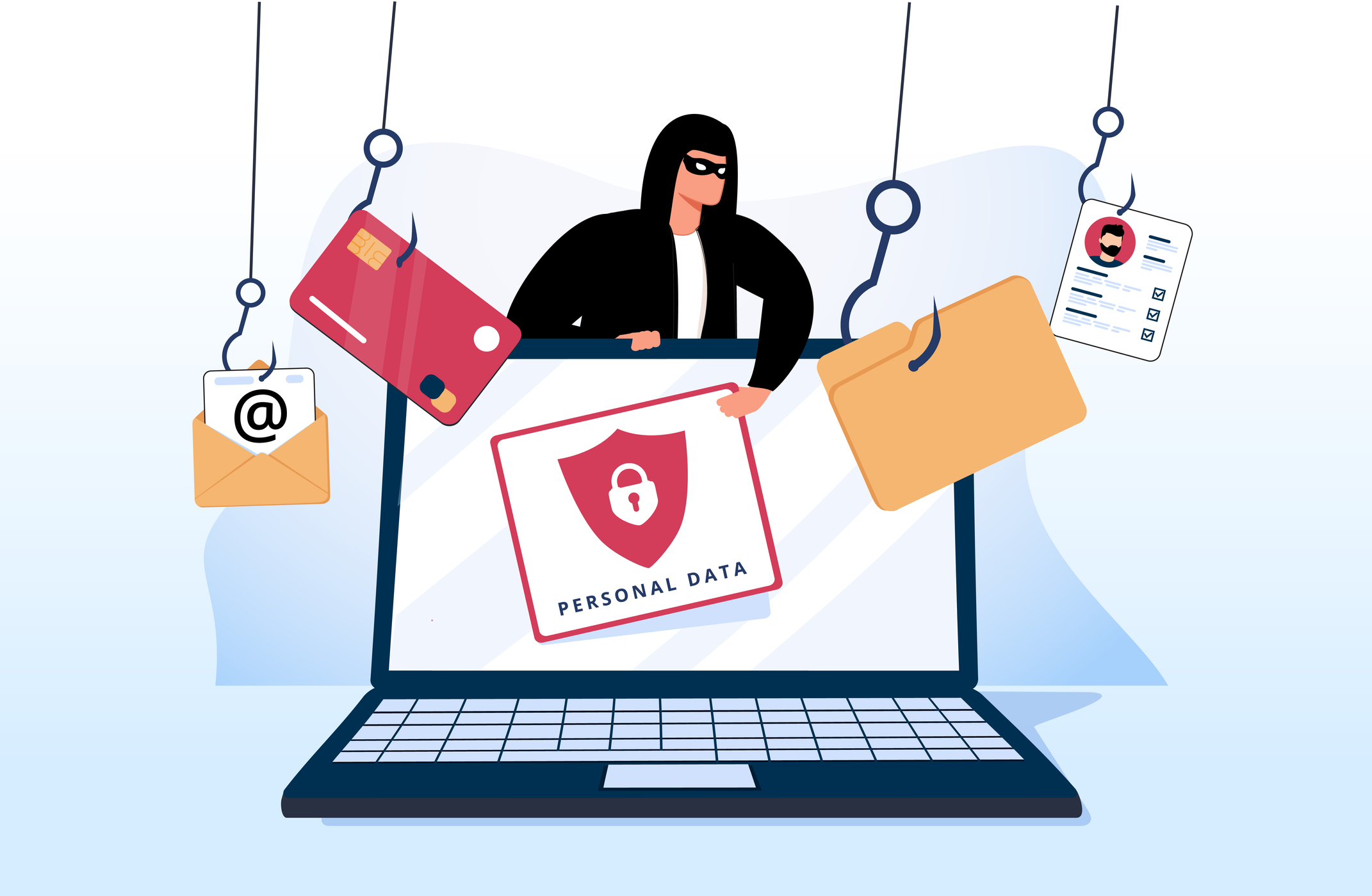
Phishing is a form of social engineering where attackers masquerade as a trusted entity—such as your bank, a government agency, or a popular service provider. The goal is to create a sense of urgency or fear, prompting the victim to act without thinking.
1. The Lure
Most phishing attacks begin with a communication, typically an email or SMS (known as “Smishing”). These messages often claim there is a “problem with your account,” a “suspicious login attempt,” or an “urgent update required” to maintain service.
2. The Hook
The message contains a link or an attachment. If you click the link, you are directed to a fraudulent website that looks nearly identical to your bank’s actual login page.
3. The Catch
Once you enter your username and password on the fake site, the attackers capture your credentials in real-time. They may then use this data to drain your accounts, sell your information on the dark web, or commit identity theft.
Evolving Tactics: Beyond Simple Emails
As users become more tech-savvy, attackers refine their methods. Modern phishing is highly sophisticated:
- Spear Phishing: Unlike broad “spray and pray” attacks, spear phishing targets specific individuals or organizations. Attackers research their victims to make the emails appear highly personal and convincing.
- Vishing (Voice Phishing): Scammers call victims, often using “caller ID spoofing” to make it look like the bank is calling. They may use automated recordings or live agents to trick you into revealing one-time passwords (OTPs) or PINs.
- Pharming: This is a more technical attack where hackers redirect a website’s traffic to a fake version, even if the user types the correct URL into their browser. This is often achieved by infecting a computer with malware or poisoning a DNS (Domain Name System) server.
Essential Strategies for Online Banking Security
Protecting your financial life requires a multi-layered defense strategy. Relying on a password alone is no longer sufficient.
1. Enable Multi-Factor Authentication (MFA)
MFA is the single most effective tool against phishing. Even if a scammer steals your password, they cannot access your account without the second factor—usually a code sent to your mobile device, an authentication app, or a physical security key. Always choose app-based or hardware-based MFA over SMS when possible, as SMS can be intercepted via SIM-swapping attacks.
2. Verify Before You Click
Develop a “zero-trust” mindset regarding unsolicited communications.
- Check the Sender’s Address: Scammers often use addresses that look similar to official ones (e.g.,
[email protected]instead of[email protected]). - Inspect Links: Hover your mouse over any link to see the actual destination URL. If it looks like a string of random characters or points to a domain you don’t recognize, do not click.
- Look for Poor Grammar: While some professional phishing kits are polished, many still contain subtle spelling errors or awkward phrasing.
3. Use a Password Manager
Password managers help in two ways. First, they allow you to create unique, complex passwords for every site. Second, they act as a natural phishing filter: a password manager will not auto-fill your credentials on a site it doesn’t recognize, even if that site looks exactly like your bank.
4. Secure Your Devices
- Keep Software Updated: Operating systems and browsers release “patches” to fix security vulnerabilities. Enable automatic updates to ensure you are protected against the latest exploits.
- Install Reputable Antivirus: Modern security software can often identify and block known phishing sites and malware before they can do damage.
The Role of Corporate Responsibility and Regulation
While individual vigilance is vital, the burden of security also falls on financial institutions and regulatory bodies.
Banks are increasingly deploying Behavioral Biometrics and AI-driven fraud detection. These systems analyze how a user interacts with their device—typing speed, mouse movements, and typical transaction patterns. If a login attempt occurs from an unusual location or exhibits “non-human” behavior, the system can automatically flag it for review or block the transaction.
Furthermore, regulations like the GDPR (General Data Protection Regulation) in Europe and various financial privacy laws globally mandate that banks protect consumer data with high-level encryption and transparent security protocols.
What to Do If You Fall Victim
If you suspect you have entered your details into a phishing site, time is of the essence:
- Contact Your Bank Immediately: Inform them that your credentials may be compromised. They can freeze your accounts and issue new cards.
- Change Your Passwords: Change the password for the compromised account and any other accounts that used the same or similar passwords.
- Monitor Your Statements: Keep a close eye on your transaction history for several months.
- Report the Incident: Report the phishing attempt to the appropriate authorities (such as the FTC in the US or the National Cyber Security Centre in the UK) and the organization the scammer was impersonating.
Conclusion
Phishing remains a dominant threat because it targets the “human element”—the tendency to trust or react quickly under pressure. However, by combining skepticism with modern security tools like MFA and password managers, you can create a formidable barrier against cybercriminals.
Online banking is a powerful tool for financial management. By staying informed and proactive, you can enjoy the benefits of digital finance without becoming a statistic in the world of cybercrime. The price of digital freedom is eternal vigilance.
Disclaimer: This article is for informational purposes only and does not constitute professional financial or legal advice. Always consult with your financial institution regarding specific security features available to you.