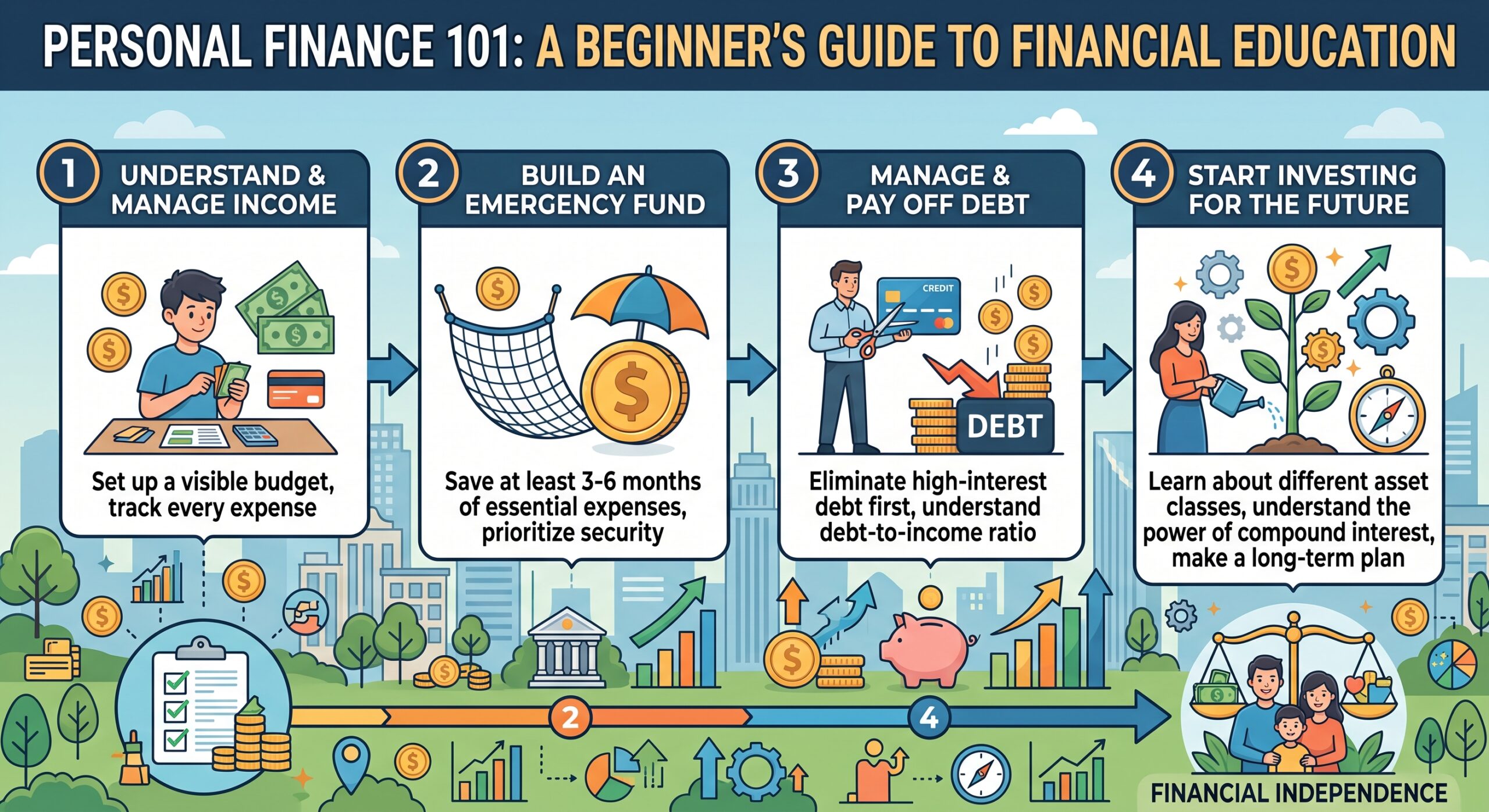

The dream of “earning money while you sleep” is no longer a luxury reserved for the ultra-wealthy. In today’s digital and interconnected economy, building passive income has become a central pillar of modern financial planning. Whether you are looking to supplement your salary, achieve early retirement, or create a financial safety net, the right investment strategies can turn capital into a self-sustaining engine of growth.
However, true passive income is rarely 100% “passive” at the start. It requires an upfront investment of either time or money. The goal is to reach a tipping point where the recurring cash flow exceeds the effort required to maintain it. Below, we explore the most effective and sustainable strategies for building a robust passive income portfolio.
1. Dividend Growth Investing: The Power of Compound Returns
Dividend-paying stocks are the cornerstone of many passive income portfolios. When you own shares in a profitable company, that company may distribute a portion of its earnings to shareholders in the form of dividends.
- The Strategy: Focus on Dividend Aristocrats—companies that have not only paid but increased their dividends for at least 25 consecutive years. These firms typically have stable cash flows and strong competitive advantages.
- Reinvestment: By utilizing a Dividend Reinvestment Plan (DRIP), you automatically use your payouts to buy more shares. Over time, this creates a compounding effect: you own more shares, which pay more dividends, which buy even more shares.
- Yield vs. Quality: Avoid the “yield trap.” A sky-high dividend yield (e.g., 10% or more) can sometimes be a red flag that a company is in financial trouble and may soon cut its payout. Focus on the payout ratio to ensure the dividend is sustainable.
2. Real Estate Investment Trusts (REITs)
Traditional real estate requires significant capital, property management, and maintenance. REITs offer a way to invest in large-scale, income-producing real estate without the headaches of being a landlord.
- How it Works: REITs are companies that own, operate, or finance income-producing real estate across various sectors (office buildings, apartments, warehouses, or hospitals). By law, REITs must distribute at least 90% of their taxable income to shareholders.
- Liquidity: Unlike physical property, which can take months to sell, REITs are traded on major stock exchanges, providing instant liquidity.
- Diversification: You can gain exposure to specialized sectors, such as data centers or healthcare facilities, which would be impossible to own individually.
3. High-Yield Fixed Income and “Bond Ladders”
While interest rates fluctuate, fixed-income investments remain a vital tool for capital preservation and steady cash flow.
- The Strategy: Instead of putting all your money into a single bond or Certificate of Deposit (CD), create a ladder. For example, you might buy bonds that mature in one, two, three, four, and five years.
- The Benefit: As each bond matures, you have the choice to reinvest the principal at current market rates or use the cash. This protects you from being locked into low rates if interest rates rise.
- ETFs: For a more hands-off approach, consider low-cost Bond ETFs that track total market indices or corporate credit.
4. Index Funds and the “4% Rule”
For those who prefer a total-market approach, investing in broad-based index funds (like those tracking the S&P 500) can provide passive income through a combination of dividends and strategic withdrawals.
- The Strategy: By investing in the entire market, you benefit from the long-term growth of the economy. Many investors follow the 4% Rule, which suggests that you can safely withdraw 4% of your portfolio’s value in the first year of retirement (and adjust for inflation thereafter) with a high probability of your money lasting 30 years.
- Low Fees: The secret to this strategy is minimizing costs. Using low-expense ratio ETFs ensures that more of the market’s returns stay in your pocket.
5. Digital Assets and Peer-to-Peer (P2P) Lending
The rise of Fintech has opened new doors for alternative passive income streams.
- P2P Lending: Platforms allow you to act as the “bank” by lending small amounts of money to individuals or small businesses. In return, you receive interest payments. While this carries a higher risk of default, diversifying across hundreds of small loans can mitigate that risk.
- Content Monetization: Creating digital assets—such as e-books, online courses, or stock photography—requires a heavy upfront time investment. Once published, however, these assets can generate royalties for years with minimal updates.
6. Tax Efficiency and Asset Location
Building wealth isn’t just about how much you earn; it’s about how much you keep.
- Tax-Advantaged Accounts: Utilize accounts like 401(k)s, IRAs, or ISAs to shield your investments from immediate taxation.
- Qualified Dividends: In many jurisdictions, “qualified” dividends are taxed at a lower capital gains rate rather than as ordinary income. Understanding these nuances can significantly increase your “net” passive income.
Managing Risk in a Passive Portfolio
No investment is without risk. A smart strategy requires constant vigilance in three areas:
- Inflation Risk: Ensure your income grows at a rate that keeps up with the rising cost of living. Dividend growth stocks and real estate are traditionally good inflation hedges.
- Market Volatility: Passive income investors should focus on cash flow rather than daily price fluctuations. If the dividends are still being paid, a temporary drop in stock price is often irrelevant to your lifestyle.
- Diversification: Never rely on a single source of income. A mix of equities, real estate, and fixed income provides a “moat” around your financial life.
Conclusion
Building a passive income stream is a marathon, not a sprint. It begins with a disciplined savings rate and a commitment to long-term thinking. By combining the stability of REITs, the growth of dividend stocks, and the safety of fixed-income ladders, you can create a diversified portfolio that provides financial freedom.
The best time to start was ten years ago; the second best time is today. Start small, reinvest your earnings, and let the power of compounding turn your initial investment into a lasting legacy.
Key Takeaways for Investors
- Start Early: Compounding is your greatest ally.
- Diversify: Spread risk across asset classes (Stocks, REITs, Bonds).
- Monitor: Review your portfolio at least annually to ensure your original investment thesis still holds.
- Keep Costs Low: Taxes and brokerage fees are the “silent killers” of passive income.