
Financial fraud is often viewed through the lens of cold numbers, complex algorithms, or security breaches. However, at its core, fraud is a deeply psychological phenomenon. It is not merely a battle of technology, but a sophisticated manipulation of human instinct, cognitive biases, and emotional triggers. From the multi-billion dollar Ponzi schemes of Wall Street to the phishing emails in a grandparent’s inbox, the mechanics of deception remain remarkably consistent.
To build a robust defense against modern financial crimes, we must look beyond the “how” and explore the “why.” Understanding the psychological architecture behind fraud reveals why even the most rational individuals can be led into devastating financial traps.
The Anatomy of the Scammer’s Toolkit
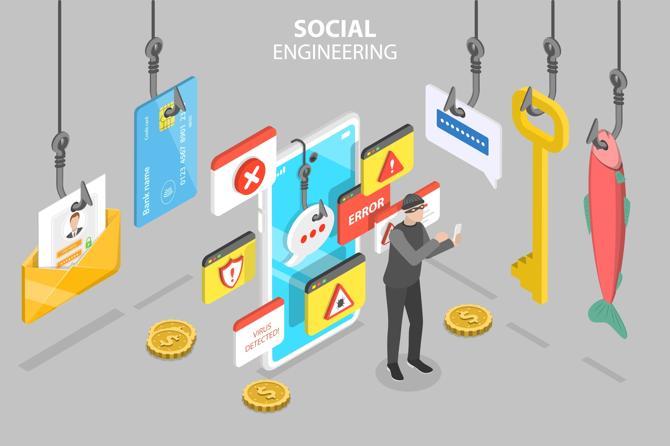
Fraudsters do not just steal money; they “social engineer” it. Social engineering is the art of manipulating people so they give up confidential information. The psychology behind this is rooted in several fundamental human principles.
1. The Power of Authority and Credibility
Humans are conditioned from childhood to respect authority. Scammers exploit this by impersonating trusted entities—banks, government agencies, or well-known tech corporations. By using professional jargon, official logos, and a confident tone, they bypass the victim’s critical thinking. When a person receives a call from “The Central Bank” regarding a security breach, the fear of the “authority” often overrides the logic of verifying the caller’s identity.
2. The Illusion of Scarcity and Urgency
Most financial frauds create a “ticking clock” scenario. Whether it is a “limited-time investment opportunity” or an “immediate account suspension notice,” urgency triggers a “fight or flight” response in the brain. When we are rushed, our prefrontal cortex—the area responsible for rational decision-making—is sidelined by the amygdala, which prioritizes immediate action over careful analysis.
3. Social Proof and the “Fear of Missing Out” (FOMO)
In the digital age, FOMO is a potent weapon. Investment scams often use “social proof” to lure victims. They show testimonials of “regular people” who became millionaires overnight or create fake community groups where everyone seems to be winning. Because humans are social creatures, we tend to believe that if a group is doing something, it must be safe and profitable.
Cognitive Biases: Our Brain’s Hidden Vulnerabilities
Even when we think we are being careful, our brains use shortcuts (heuristics) that can lead us astray. Scammers are experts at identifying these “glitches” in human reasoning.
- Optimism Bias: Most people believe they are less likely to experience a negative event than others. This “it won’t happen to me” mentality leads to a lapse in security hygiene, such as reusing passwords or clicking on suspicious links.
- The Sunk Cost Fallacy: This is particularly prevalent in long-term scams like “Pig Butchering” (romance-investment scams). Once a victim has invested a small amount of money or emotional energy, they find it psychologically difficult to admit they’ve been conned. They continue to send money in hopes of “recovering” the initial loss, falling deeper into the trap.
- Confirmation Bias: If someone is looking for a way to get out of debt or retire early, they are psychologically primed to believe information that supports that goal. They will ignore red flags because they desperately want the “opportunity” to be real.
The Emotional “Hook”
Fraud is rarely purely transactional; it is emotional. Scammers target specific emotional states to lower a victim’s guard:
- Greed: While a harsh word, the desire for “easy money” is a universal human trait. High-yield, low-risk promises bypass the logical understanding that all investments carry risk.
- Fear: This is the primary driver of “Identity Theft” scams. The fear of legal trouble, losing one’s life savings, or having a digital reputation ruined makes victims compliant.
- Empathy and Loneliness: Many modern scams, especially those involving social media, build a false sense of intimacy. By establishing a “friendship” or “romance,” the fraudster builds a level of trust that makes the eventual request for money seem like a favor between loved ones rather than a theft.
The Evolution of Deception: Digital Fraud and AI
As technology evolves, so does the psychology of the scam. We are currently seeing a transition from generic “Nigerian Prince” emails to highly personalized, AI-driven attacks.
- Deepfakes: The use of AI to mimic the voice or video of a CEO or a family member is the ultimate exploitation of trust. If you “see” and “hear” someone you know asking for a wire transfer, the psychological barrier to compliance is almost non-existent.
- Data-Driven Personalization: Scammers use leaked data to tailor their approach. Knowing a victim’s recent purchases, their employer, or their family members allows the fraudster to create a narrative that is frighteningly believable.
How to Build Psychological Resilience
Protecting your finances requires more than just strong passwords; it requires mental firewalls. Here are strategies to neutralize the psychological tactics of fraudsters:
Implement a “Pause Protocol”
Since scammers rely on urgency, your best defense is time. Never make a financial decision under pressure. If a caller claims to be from your bank, hang up and call the official number on the back of your card. Taking even five minutes to breathe can move your brain from an emotional state back to a rational one.
Verify Through Out-of-Band Channels
If a “friend” messages you on social media asking for money, contact them via a different method (like a phone call or a different app). This breaks the scammer’s control over the communication channel.
Embrace Healthy Skepticism
In the world of finance, if something sounds too good to be true, it almost certainly is. High returns always come with high risk. Adopting a “verify by default” mindset—especially when dealing with cryptocurrency or “alternative” assets—is essential.
Educate the Vulnerable
Psychological fraud often targets specific demographics. Younger generations may be more susceptible to FOMO and social media “get-rich-quick” schemes, while older adults may be targeted via authority-based or technical support scams. Sharing knowledge is the best way to de-power these tactics.
Conclusion
The battle against financial fraud is an ongoing arms race. As security systems become more sophisticated, criminals will continue to pivot back to the weakest link in the chain: the human mind. By understanding the principles of authority, the weight of cognitive biases, and the mechanics of emotional manipulation, we can transform ourselves from targets into informed gatekeepers of our own wealth. Financial security is not just about what you do with your money; it’s about how you manage your mind. In an era of digital uncertainty, your ability to think critically is your most valuable asset.