
In the modern global economy, corporate fraud is a persistent and evolving threat that can dismantle even the most established enterprises. From sophisticated cyber-attacks to internal embezzlement and financial statement manipulation, the avenues for illicit gain are numerous. For any organization aiming for long-term sustainability and ethical excellence, implementing a robust system of internal controls is not merely a regulatory requirement—it is a fundamental business necessity.
This article explores the intricate relationship between internal controls and fraud prevention, outlining how a structured approach to oversight can safeguard assets, ensure financial integrity, and foster a culture of transparency.
Understanding the Fraud Triangle
To prevent fraud, one must first understand why it occurs. Criminologist Donald Cressey’s Fraud Triangle remains the gold standard for understanding the motivations behind workplace crime. It consists of three elements:
- Pressure: The motive, often stemming from personal financial distress, addiction, or the intense pressure to meet unrealistic corporate targets.
- Rationalization: The mental justification used by the perpetrator (e.g., “I’m just borrowing the money” or “The company owes me for my hard work”).
- Opportunity: The technical ability to commit the fraud.
While an organization has little control over an individual’s personal pressure or their internal rationalization, it has absolute control over Opportunity. Internal controls are specifically designed to eliminate the opportunities that allow fraud to go undetected.
The COSO Framework: The Gold Standard for Control
The Committee of Sponsoring Organizations of the Treadway Commission (COSO) provides a widely accepted framework for internal controls. A comprehensive fraud prevention strategy should mirror its five integrated components:
1. Control Environment
Often referred to as the “Tone at the Top,” the control environment is the foundation. If senior management bypasses rules or ignores ethical lapses, employees will follow suit. A strong control environment includes a clear code of ethics, rigorous hiring practices, and a visible commitment to integrity.
2. Risk Assessment
Organizations must proactively identify where they are most vulnerable. Is it in the procurement process? Is it through digital payment gateways? Regular risk assessments allow companies to prioritize their resources toward the areas with the highest likelihood and impact of fraud.
3. Control Activities
These are the specific policies and procedures that ensure management directives are carried out. They include:
- Segregation of Duties: Ensuring no single individual has control over all parts of a financial transaction (e.g., the person who authorizes a payment should not be the one who reconciles the bank statement).
- Physical Controls: Securing cash, inventory, and equipment.
- Authorizations: Requiring management approval for transactions above a certain threshold.
4. Information and Communication
For controls to work, information must flow effectively. Employees need to know their responsibilities, and there must be a secure channel—such as an anonymous whistleblower hotline—for reporting suspicious activity without fear of retaliation.
5. Monitoring Activities
Internal controls are not “set and forget” systems. Periodic audits and real-time monitoring are essential to ensure that controls are functioning as intended and to adapt them to new threats, such as emerging cybersecurity risks.
Common Types of Corporate Fraud
Fraud manifests in various forms, requiring specific control responses for each:
- Asset Misappropriation: The most common form, involving the theft of company resources (cash, inventory, or services). Internal controls like inventory counts and strict expense reimbursement policies are vital here.
- Financial Statement Fraud: The intentional misstatement of financial results to deceive investors or creditors. This is often prevented by robust external audits and an independent Board of Directors.
- Corruption: This includes bribery, kickbacks, and conflicts of interest. Prevention requires strict vendor management and transparency in procurement.
The Digital Frontier: Cybersecurity and Fraud
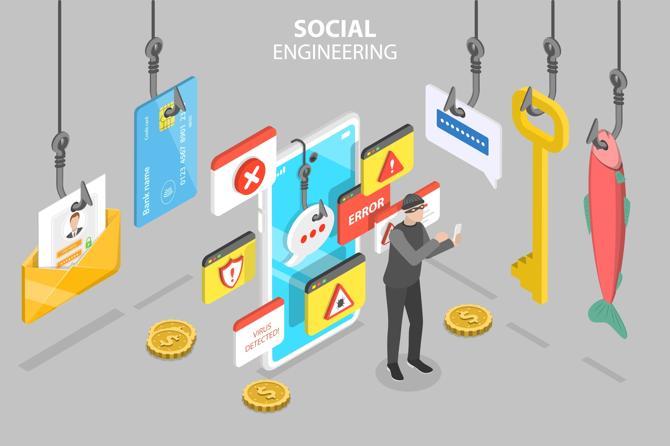
As businesses digitize, the “Opportunity” leg of the fraud triangle has shifted toward the virtual world. Fraudsters now use social engineering, phishing, and malware to bypass traditional physical controls.
Internal controls in the digital age must include:
- Multi-Factor Authentication (MFA): Adding layers of security to sensitive financial accounts.
- Data Encryption: Protecting proprietary and financial information from unauthorized access.
- Regular Security Training: Educating staff on how to recognize social engineering attempts, as the “human element” is often the weakest link in the security chain.
The Role of Technology in Prevention
Advancements in Artificial Intelligence (AI) and Machine Learning (ML) are revolutionizing internal controls. Modern systems can now perform Continuous Monitoring, analyzing 100% of transactions in real-time rather than relying on random sampling.
For example, AI can flag “outlier” transactions—such as a payment made to a new vendor at 2:00 AM on a Sunday—that a human auditor might miss. By automating the detection of anomalies, organizations can move from reactive investigations to proactive prevention.
Implementing a Robust Fraud Prevention Program
If you are looking to strengthen your organization’s defenses, consider these actionable steps:
- Conduct a Fraud Risk Assessment: Identify your “crown jewels” (sensitive data or high-value assets) and map out how someone might try to steal or compromise them.
- Enforce Segregation of Duties: Review your accounting and procurement departments. Ensure that “Checks and Balances” are physically and digitally enforced.
- Establish a Whistleblower Policy: According to the Association of Certified Fraud Examiners (ACFE), “Tips” are consistently the most common way fraud is detected. Provide a safe, anonymous way for employees to speak up.
- Promote a Culture of Transparency: Talk openly about the importance of ethics. When employees feel a sense of ownership and pride in their company’s integrity, they are less likely to rationalize fraudulent behavior.
- Perform Surprise Audits: While scheduled audits are necessary, surprise checks create a “perception of detection” that serves as a powerful deterrent to potential fraudsters.
Conclusion
Internal controls are not just bureaucratic hurdles; they are the vital organs of a healthy corporation. In an era where a single fraud scandal can destroy a company’s reputation and stock value overnight, the investment in prevention is a fraction of the cost of a cure.
By combining the structural discipline of the COSO framework with modern technological tools and an unwavering “Tone at the Top,” organizations can create an environment where integrity thrives and fraud has no place to hide. Preventing corporate fraud is a continuous journey of vigilance, but it is the only path toward building a business that stands the test of time.