Understanding business finance is often the bridge between a passionate project and a sustainable enterprise. While many entrepreneurs start with a great product or service, the longevity of their venture depends on mastering the movement of money.
This guide breaks down the core pillars of business finance, moving from the immediate necessity of cash flow to the long-term goal of consistent profitability.
1. The Foundation: Understanding Cash Flow
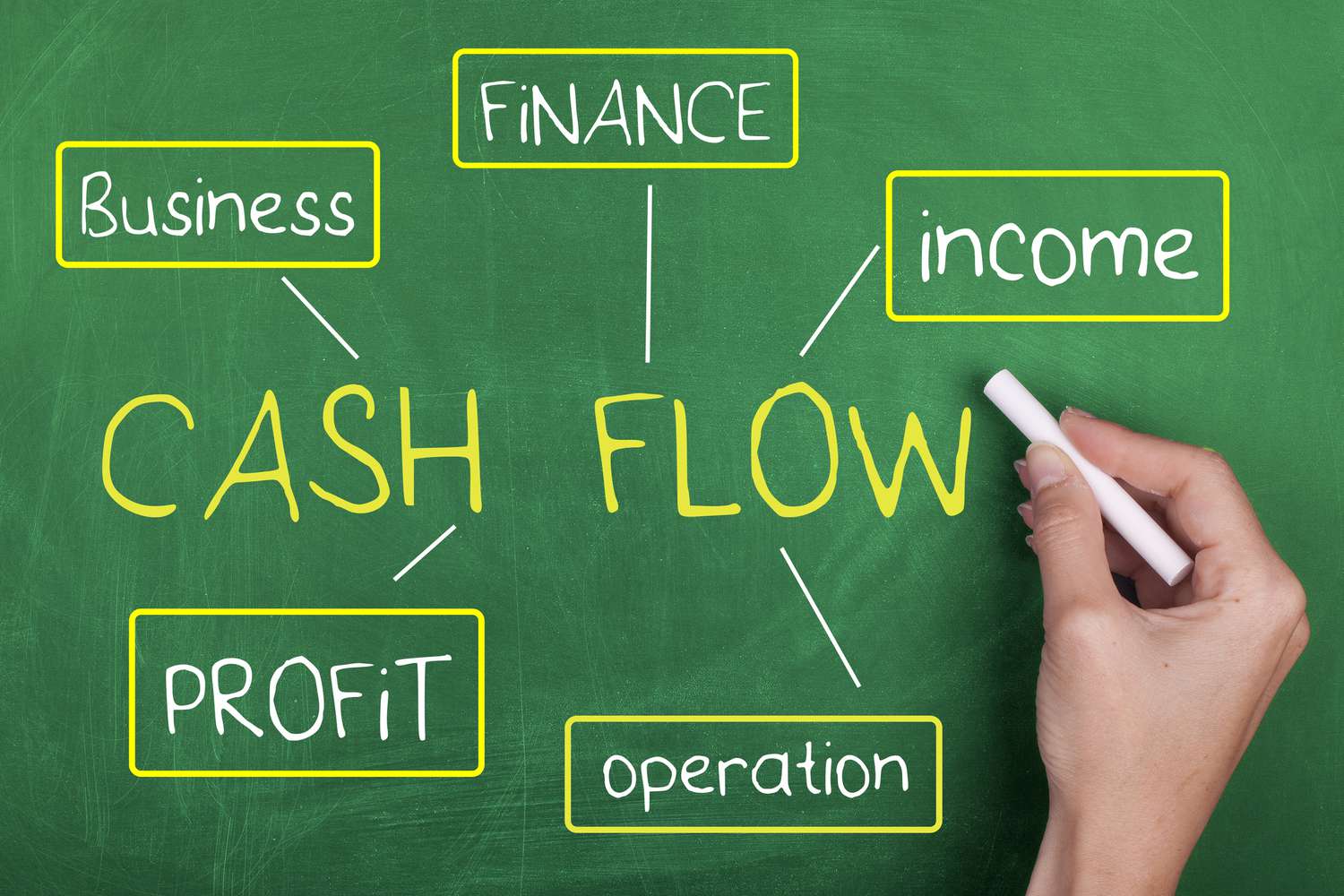
In the world of business, cash is king. You can have a million dollars in booked sales, but if that money hasn’t hit your bank account yet, you can’t pay your electricity bill.
What is Cash Flow?
Cash flow is the net amount of cash and cash equivalents being transferred into and out of a business. It is generally categorized into three areas:
- Operating Activities: Revenue and expenses from your core business.
- Investing Activities: Buying or selling assets (like equipment or real estate).
- Financing Activities: Taking out loans, repaying debt, or bringing in investors.
The Cash Flow Gap
A common pitfall for growing businesses is the “cash flow gap.” This happens when you have to pay for raw materials or labor now, but your customers don’t pay you for 30, 60, or 90 days. Managing this gap is the difference between staying afloat and insolvency.
2. The Financial Statement Trio
To manage finance effectively, you must be able to read the three “languages” of your business:
| Statement | Purpose | Key Metric |
| Balance Sheet | Shows what you own and what you owe at a specific point in time. | Assets = Liabilities + Equity |
| Income Statement (P&L) | Shows revenue and expenses over a period. | Net Income (Profit or Loss) |
| Cash Flow Statement | Tracks the actual physical movement of cash. | Net Cash Increase/Decrease |
3. Mastering Profitability
Profitability is the ability of a business to earn a profit. While cash flow keeps the lights on today, profitability ensures the business can grow tomorrow. It is measured using various “margins.”
Gross Profit vs. Net Profit
It is vital to distinguish between these two:
- Gross Profit: This is what remains after deducting the Cost of Goods Sold (COGS). If you sell a shirt for $20 and it cost $8 to make, your gross profit is $12.
- Net Profit: This is the “bottom line.” It is what remains after all expenses—rent, marketing, taxes, interest, and salaries—are paid.
Key Profitability Ratios
To analyze health, finance professionals use ratios:
- Gross Margin: $(Gross Profit / Revenue) \times 100$. This shows how efficiently you produce goods.
- Net Margin: $(Net Income / Revenue) \times 100$. This shows how much of every dollar earned actually stays in your pocket.
4. Working Capital Management
Working capital is the money available for daily operations. It is calculated as:
If your working capital is negative, you may struggle to meet short-term obligations. Strategies to improve this include:
- Inventory Management: Don’t let cash sit idle in a warehouse in the form of unsold products.
- Accounts Receivable (AR): Incentivize customers to pay faster (e.g., a 2% discount for payments within 10 days).
- Accounts Payable (AP): Negotiate longer payment terms with your suppliers to keep cash in your bank longer.
5. Capital Structure: Debt vs. Equity
How you fund your business affects your risk and control.
Debt Financing
Taking a loan means you keep full ownership, but you are obligated to pay back the principal plus interest, regardless of how the business performs.
Note: Over-leveraging (taking too much debt) can lead to bankruptcy if cash flow dips.
Equity Financing
Selling shares to investors (like Angels or VCs) gives you “free” cash with no repayment obligation, but you give up a piece of the pie and, often, a say in how the company is run.
6. Budgeting and Forecasting
Financial success is rarely accidental. It requires a roadmap.
- Budgeting: Setting a limit on spending based on expected income.
- Forecasting: Using historical data and market trends to predict future performance.
A “Rolling Forecast” is highly recommended. Unlike a static annual budget, a rolling forecast is updated monthly or quarterly, allowing the business to pivot when market conditions change (like a sudden spike in inflation or a new competitor entering the field).
7. The Break-Even Point
Every business owner should know their break-even point—the moment where total revenue equals total costs. Beyond this point, every dollar earned contributes directly to profit.
The formula for the Break-Even Point in units is
Knowing this number helps you set sales targets and pricing strategies effectively.
Conclusion: The Holistic View
Business finance isn’t just about accounting; it’s about strategy. Cash flow provides the oxygen, while profitability provides the fuel for growth. By balancing the two, monitoring your financial statements, and managing your working capital, you transform your business from a fragile startup into a resilient enterprise.
Summary Checklist for Business Owners:
- Review your Cash Flow Statement weekly.
- Maintain a “Cash Buffer” of at least 3-6 months of operating expenses.
- Distinguish between “Good Debt” (used for growth) and “Bad Debt” (used for survival).
- Constantly look for ways to optimize your Net Profit Margin.