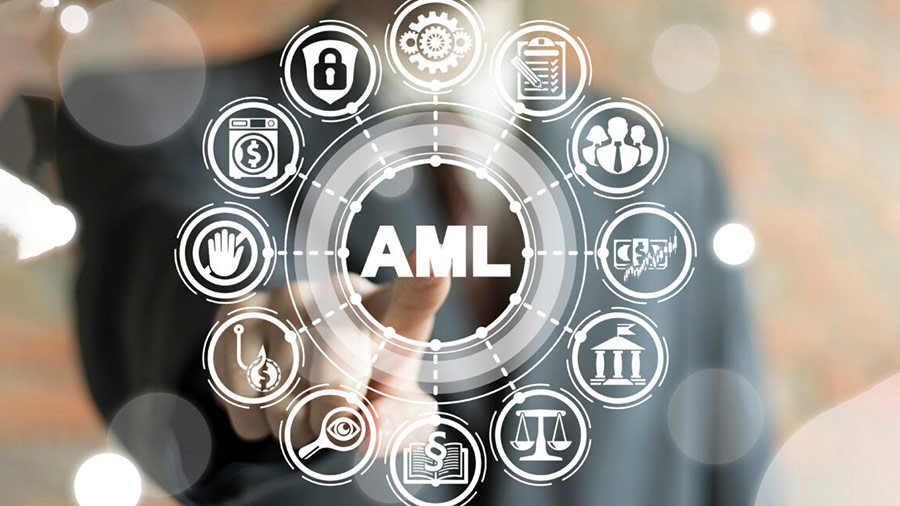
In an increasingly interconnected global economy, the flow of capital across borders has never been faster or more complex. While this facilitates international trade and investment, it also provides a veil for illicit activities. Anti-Money Laundering (AML) regulations represent the primary defensive framework used by governments and financial institutions to prevent criminals from disguising the origins of illegally obtained funds.
Understanding AML is no longer just a requirement for high-level bank executives; it is a critical component of the modern digital economy, affecting fintech startups, real estate agents, and even cryptocurrency exchanges.
What is Money Laundering?
To understand AML, one must first define the problem it seeks to solve. Money laundering is the process of making “dirty” money—funds derived from criminal activities such as drug trafficking, terrorism, or fraud—appear “clean” or legitimate. This process typically occurs in three distinct stages:
- Placement: The physical entry of illicit funds into the financial system. This is often done by breaking large amounts of cash into smaller, less suspicious deposits (a tactic known as “smurfing”).
- Layering: The most complex stage, involving the separation of illicit proceeds from their source through layers of financial transactions. This might include moving funds between different accounts, countries, or asset classes to obscure the audit trail.
- Integration: The final stage where the “laundered” money re-enters the economy. It appears as legitimate wealth, which the criminal can then use to purchase luxury assets, invest in businesses, or fund further criminal enterprises.
The Core Pillars of AML Regulations
AML regulations are not a single law but a collection of procedures and technologies designed to create transparency. Most jurisdictions follow the recommendations set by the Financial Action Task Force (FATF), an intergovernmental body that sets global standards.
1. Know Your Customer (KYC)
KYC is the cornerstone of any AML program. It requires financial institutions to verify the identity of their clients before and during the business relationship. This involves:
- Collecting government-issued identification.
- Verifying the “Beneficial Ownership” (identifying who actually controls a company).
- Assessing the nature of the customer’s business to ensure their transactions align with their stated income.
2. Customer Due Diligence (CDD)
While KYC identifies the person, CDD assesses the risk. There are different levels:
- Simplified Due Diligence (SDD): For low-risk customers, such as public authorities.
- Enhanced Due Diligence (EDD): For high-risk customers, such as Politically Exposed Persons (PEPs) or those from countries with high crime rates.
3. Transaction Monitoring
Modern AML relies heavily on automated systems that flag “red flags.” This includes sudden spikes in transaction volume, frequent transfers to offshore tax havens, or transactions that fall just below the legal reporting threshold.
4. Suspicious Activity Reports (SARs)
If an institution detects potential laundering, they are legally obligated to file a Suspicious Activity Report (SAR) with the relevant national authority (such as FinCEN in the United States). Importantly, firms are prohibited from “tipping off” the customer that they are under investigation.
The Global Regulatory Landscape
AML laws vary by country, but they are increasingly harmonized through international cooperation.
The United States: The Bank Secrecy Act (BSA)
The BSA and the subsequent Patriot Act form the backbone of U.S. AML efforts. They mandate that financial institutions assist government agencies in detecting and preventing money laundering. The Anti-Money Laundering Act of 2020 (AMLA) recently modernized these rules, increasing penalties and improving information sharing between the private sector and the government.
The European Union: AML Directives (AMLD)
The EU regularly updates its framework through “Directives.” The 6th Anti-Money Laundering Directive (6AMLD) shifted focus toward criminal liability, allowing authorities to prosecute companies (not just individuals) for failing to prevent financial crime.
The Role of Technology in Compliance
As criminals adopt sophisticated methods, the AML sector is undergoing a digital transformation.
- Artificial Intelligence (AI): Machine learning models can now predict fraudulent patterns with higher accuracy than manual reviews, reducing “false positives.”
- Blockchain Analytics: In the world of crypto, tools are used to track the movement of tokens across public ledgers, making it harder for “privacy coins” or “mixers” to hide the source of wealth.
Why AML Compliance Matters for Businesses
Failing to comply with AML regulations carries severe consequences. Beyond ethical considerations, the risks include:
- Staggering Fines: Regulatory bodies have issued billions of dollars in penalties to major banks in recent years for compliance failures.
- Reputational Damage: News of a money laundering scandal can lead to a mass exodus of customers and a permanent loss of trust.
- Loss of License: In extreme cases, regulators can revoke a firm’s license to operate, effectively ending the business.
- Criminal Prosecution: Executives can face prison time if it is proven they willfully ignored signs of money laundering.
Challenges and Future Trends
Despite the rigors of current regulations, money laundering remains a multi-billion dollar problem. Several challenges persist:
- The Rise of Fintech: Neobanks and digital payment processors move at a speed that traditional regulation struggles to match.
- Cryptocurrency: While many exchanges are now regulated, decentralized finance (DeFi) presents a new frontier where identity verification is difficult to enforce.
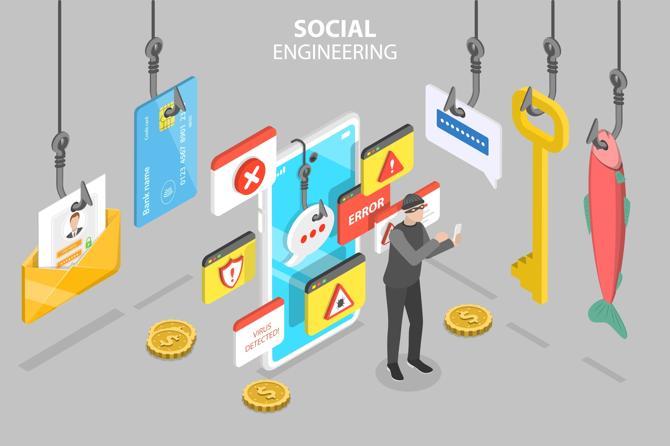
- Cybersecurity Threats: Criminals often use stolen identities (from phishing or data breaches) to open “mule accounts,” making KYC efforts much more difficult for banks.
The Move Toward “RegTech”
To stay ahead, the industry is moving toward Regulatory Technology (RegTech). This involves the use of cloud computing and big data to manage compliance in real-time. By automating the more tedious aspects of AML, such as document verification, firms can focus their human resources on investigating the most high-risk cases.
Conclusion
Anti-Money Laundering regulations are the “digital immune system” of the global financial world. As financial crime becomes more digitized and borderless, the importance of robust AML frameworks will only grow. For businesses, compliance is no longer a “check-the-box” exercise—it is a strategic necessity that protects the integrity of the institution and the safety of the global economy.
By staying informed on shifting regulations and embracing new technologies like AI and automated monitoring, organizations can contribute to a more transparent, secure, and equitable financial future.
Disclaimer: This article is for informational purposes only and does not constitute legal or financial advice. Regulations vary significantly by jurisdiction and industry. Always consult with a qualified compliance professional or legal counsel regarding specific AML requirements.