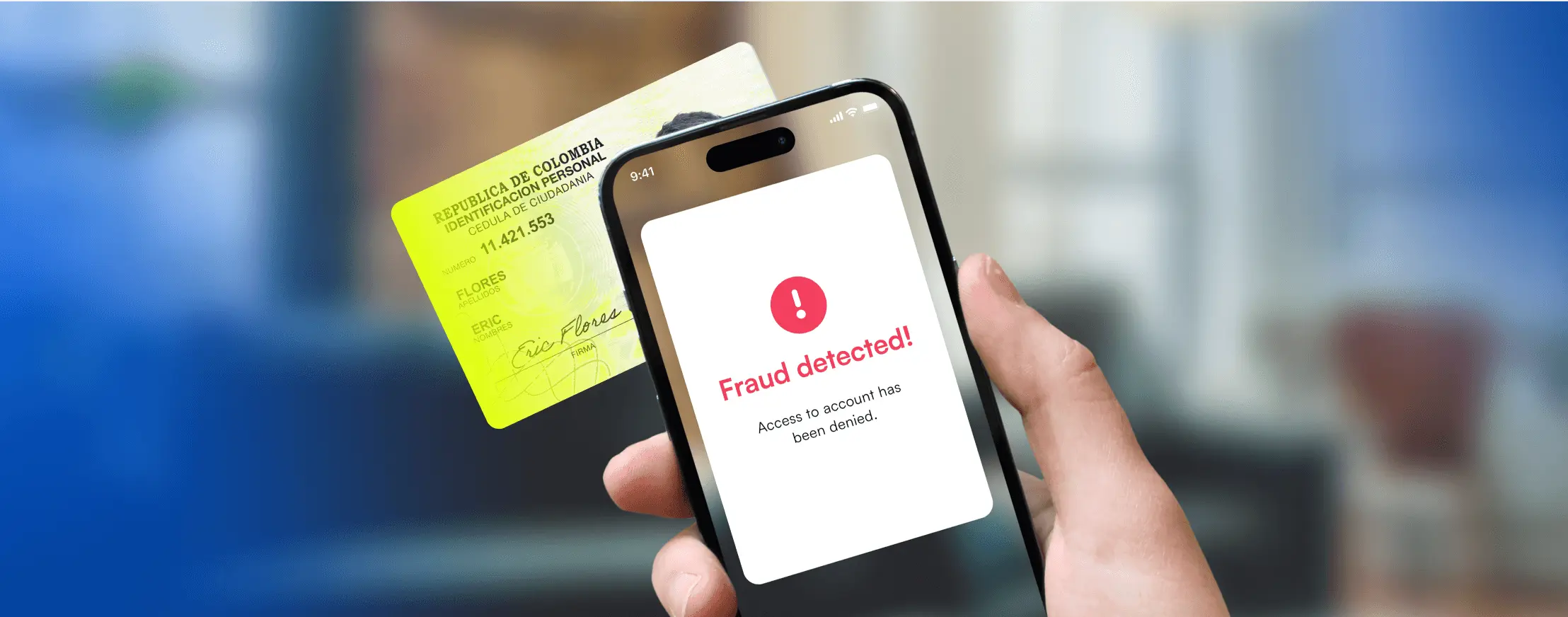
In an increasingly digitized global economy, the convenience of instant transfers and online banking comes with a shadow: the rise of sophisticated financial fraud. As scammers evolve, their methods become harder to detect, blending psychological manipulation with high-tech deception.
Protecting your assets requires more than just a strong password; it demands a proactive mindset and an understanding of the mechanics behind modern scams.
1. Phishing and Social Engineering
Phishing remains the “gateway drug” of financial crime. It relies on social engineering—the art of manipulating people into divulging confidential information.
How it Works
Scammers send emails, SMS (Smishing), or place calls (Vishing) masquerading as legitimate entities like your bank, the IRS, or a popular streaming service. They often create a sense of false urgency, claiming your account has been compromised or that you owe an immediate debt.
How to Avoid It
- Inspect the Sender: Check for subtle misspellings in email addresses (e.g.,
[email protected]instead ofpaypal.com). - Never Click Direct Links: If you receive an alert, log in directly through the official website or app rather than clicking a link in the message.
- The “Urgency” Red Flag: Legitimate institutions will rarely pressure you to make a decision within minutes.
2. Investment Fraud and Ponzi Schemes
Investment fraud promises high returns with “little to no risk”—a mathematical impossibility in the financial world.
The Mechanics
- Ponzi Schemes: These use funds from new investors to pay “returns” to earlier investors. The system collapses when new recruitment slows down.
- Pump and Dump: Scammers hype up a low-value stock or cryptocurrency (the “pump”) and sell their holdings once the price rises, leaving others with worthless assets (the “dump”).
How to Avoid It
- Verify Credentials: Use tools like the SEC’s Edgar database or FINRA’s BrokerCheck to ensure the individual or firm is registered.
- Be Skeptical of “Guaranteed” Returns: Risk and reward are fundamentally linked by the following relationship:$$Expected\ Return = Risk-Free\ Rate + Risk\ Premium$$If the risk premium is high but the risk is claimed to be zero, it is likely a scam.
3. Credit Card Fraud and Skimming
Even with the advent of EMV chips, credit card fraud remains a multi-billion dollar problem.
The Tactics
- Skimming: Physical devices placed over card readers at gas pumps or ATMs to steal magnetic stripe data.
- CNP (Card Not Present) Fraud: Using stolen card numbers for online purchases.
How to Avoid It
- Use Contactless Payments: Apple Pay, Google Pay, and “tap” cards use tokenization, which doesn’t share your actual card number with the merchant.
- Monitor Statements Regularly: Set up “transaction alerts” on your banking app for any purchase over $0.01.
- Check the Hardware: If a card reader feels loose or bulky, don’t use it.
4. Identity Theft
Identity theft occurs when someone acquires your personal identifiers—Social Security number, date of birth, or Medicare ID—to open new accounts or claim tax refunds in your name.
How to Avoid It
- Freeze Your Credit: This is the single most effective way to prevent identity theft. A credit freeze prevents lenders from accessing your report, making it impossible for scammers to open new lines of credit.
- Shred Sensitive Documents: “Dumpster diving” is still a tactic used to find bank statements and pre-approved credit offers.
- Two-Factor Authentication (2FA): Always use app-based authenticators (like Google Authenticator) rather than SMS-based 2FA, which can be intercepted via SIM-swapping.
5. Authorized Push Payment (APP) Scams
Unlike traditional fraud where a thief steals your info, APP scams trick you into voluntarily sending the money. This makes recovery much more difficult because you “authorized” the transaction.
Common Variants
- Romance Scams: Building a fake emotional connection to ask for money for “emergencies” or travel.
- Grandparent Scams: Posing as a relative in legal trouble who needs bail money immediately.
- Marketplace Scams: Asking for payment via non-reversible methods (Zelle, Wire, or Gift Cards) for items that don’t exist.
How to Avoid It
- Confirm via a Second Channel: If a “friend” asks for money on Facebook, call their known phone number to verify.
- Avoid Irreversible Payments: Never use wire transfers or crypto to pay for goods from unverified individual sellers.
Summary Comparison of Fraud Types
| Fraud Type | Primary Method | Key Red Flag |
| Phishing | Digital communication | Urgent/Threatening tone |
| Ponzi Scheme | Misleading returns | “Guaranteed” high profit |
| Skimming | Physical tampering | Loose/Odd-looking card slots |
| APP Scams | Emotional manipulation | Request for wire/gift cards |
Conclusion: Developing Your “Financial Firewall”
Financial security is not a one-time setup; it is a continuous practice. In a world where AI can now mimic voices and generate flawless fraudulent emails, your best defense is healthy skepticism.
Remember: If an opportunity sounds too good to be true, it is. If an emergency requires immediate payment via an unconventional method, it’s a trap. By staying informed and utilizing technology like credit freezes and 2FA, you can keep your hard-earned wealth where it belongs—with you.