For Small and Medium Enterprises (SMEs), financial management is often the thin line between scaling to new heights and struggling to keep the lights on. Unlike large corporations with deep pockets and dedicated departments for every fiscal niche, SMEs must be lean, agile, and strategically precise.
Optimizing business finance isn’t just about “cutting costs.” It’s about maximizing the efficiency of every dollar, improving cash flow visibility, and leveraging data to drive growth. This guide explores the essential pillars of financial optimization for modern SMEs.
1. Mastering Cash Flow Management
Cash flow is the lifeblood of any small business. A profitable business on paper can still fail if it runs out of liquid cash to meet immediate obligations.
- The Cash Flow Forecast: Move beyond looking at historical data. Create a rolling 12-month forecast that predicts peaks and valleys in revenue. This allows you to plan for “lean” months before they arrive.
- Accelerating Receivables: Stagnant invoices are “lazy money.” Optimize your billing by offering early-payment discounts (e.g., 2% off if paid within 10 days) and automating follow-up reminders.
- Strategic Payables: Conversely, negotiate longer payment terms with suppliers. If you can pay in 60 days instead of 30 without penalties, you keep cash in your business longer for reinvestment.
2. Leveraging Financial Technology (FinTech)
In 2026, manual bookkeeping is not just slow; it’s a competitive disadvantage. Optimizing finance requires a modern tech stack.
- Cloud Accounting: Platforms like QuickBooks, Xero, or Sage provide real-time visibility. When your bank feeds are synced, you can see your true financial position at any moment, rather than waiting for month-end reports.
- Expense Management Automation: Use AI-driven tools to scan receipts and categorize expenses. This reduces human error and ensures that every tax-deductible expense is captured.
- Integrated Payment Gateways: Reduce friction for your customers. By integrating seamless payment options (digital wallets, instant transfers), you reduce the “Days Sales Outstanding” (DSO).
3. Capital Structure and Debt Optimization
Many SMEs fall into the trap of high-interest short-term debt. Optimization involves auditing how your business is funded.
| Funding Type | Best Used For | Risk Level |
| Equity Financing | Long-term scaling, R&D | Low (no repayment) / High (dilution) |
| Line of Credit | Managing seasonal cash flow gaps | Moderate |
| Term Loans | Purchasing fixed assets (machinery, property) | Moderate |
| Invoice Factoring | Immediate liquidity for B2B | High (costly) |
Refinancing Strategy: If your business has grown and your credit score has improved, revisit your old loans. Refinancing high-interest debt into a lower-rate long-term loan can significantly improve your monthly bottom line.
4. Cost Optimization vs. Cost Cutting
There is a fundamental difference between cutting costs (which can hurt quality) and optimizing them (which improves efficiency).
- Zero-Based Budgeting: Occasionally, start your budget from zero rather than just adjusting last year’s numbers. Every expense must be justified based on its current ROI.
- The Pareto Principle (80/20 Rule): Often, 80% of your overhead comes from 20% of your activities. Identify non-core functions that can be outsourced to specialized agencies—often cheaper and more effective than hiring full-time staff.
- Energy and Utility Efficiency: For manufacturing or retail SMEs, small shifts in energy consumption or switching to green providers can result in massive annual savings.
5. Tax Strategy and Compliance
Tax is often the largest single expense for an SME. Optimization means ensuring you aren’t “tipping” the government.
- Proactive Tax Planning: Don’t wait until April. Meet with a tax professional quarterly to discuss credits you might be eligible for, such as R&D tax credits or local investment incentives.
- Structure Matters: Periodically review your legal structure (LLC, S-Corp, C-Corp, etc.). As your revenue grows, the structure that worked at startup might no longer be the most tax-efficient.
6. Risk Management and Unit Economics
Finally, optimization requires a deep dive into the profitability of your products or services.
- Customer Acquisition Cost (CAC) vs. Lifetime Value (LTV): If it costs you $100 to acquire a customer who only spends $80, your business model is fundamentally broken.
- Margin Analysis: Break down your Gross Margin per product. It’s better to sell 100 units of a high-margin product than 1,000 units of a low-margin one that consumes all your operational capacity.
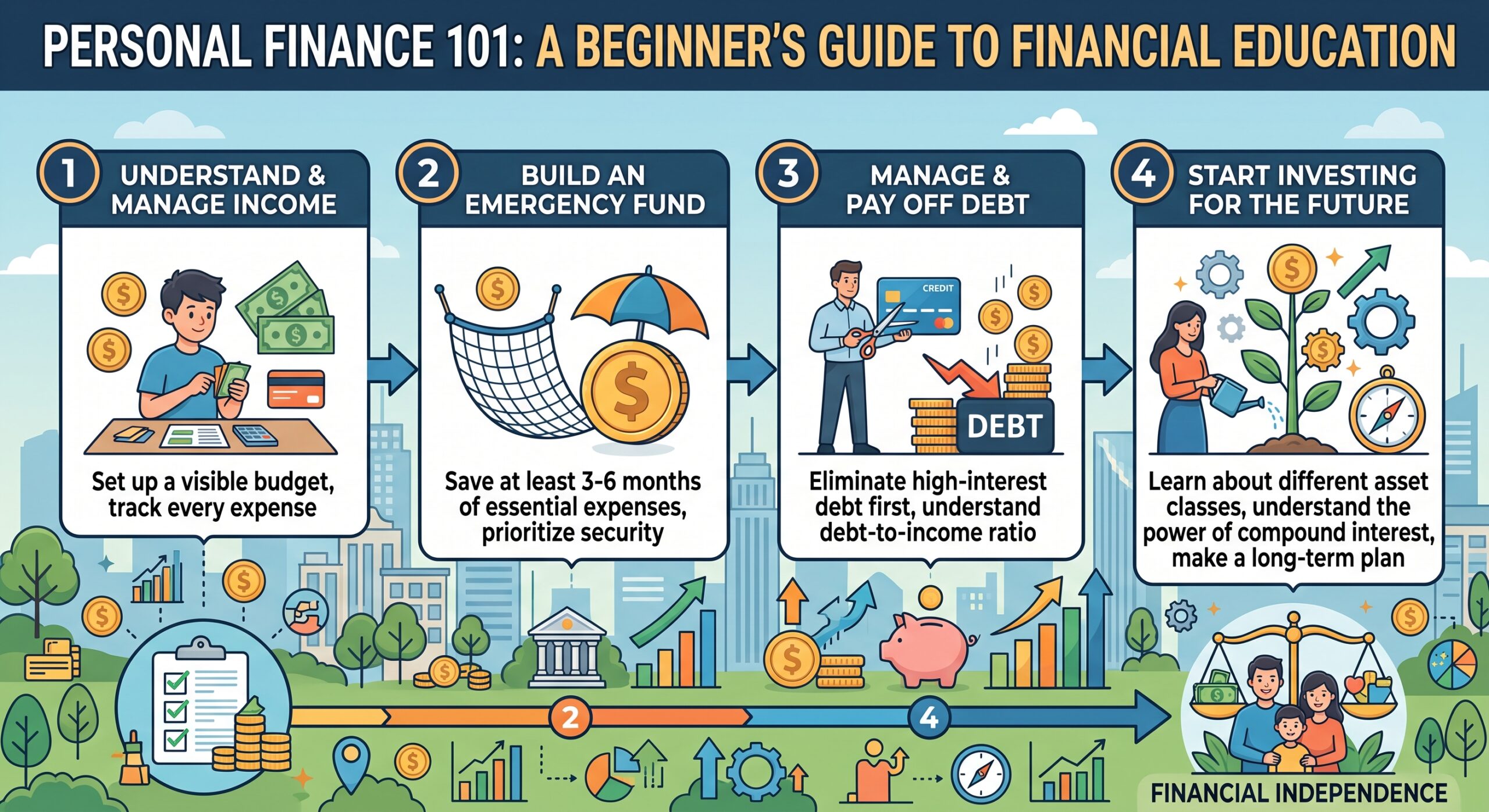
- Emergency Reserves: Aim to keep 3–6 months of operating expenses in a high-yield liquid account. This “war chest” prevents you from making desperate, expensive financial decisions during a crisis.
Conclusion
Optimizing SME finance is a continuous loop of monitoring, analyzing, and adjusting. By embracing FinTech, mastering the nuances of cash flow, and treating tax planning as a year-round strategy, small business owners can transform finance from a source of stress into a powerful engine for growth.
In the modern economy, the winners aren’t necessarily those with the most revenue, but those with the most efficient financial operations.