Life is unpredictable. A sudden job loss, an unexpected medical bill, or a major car repair can strike without warning, turning financial stability into a source of severe stress. This is where the emergency fund comes in—it’s your essential financial shield, a safety net designed to catch you during life’s inevitable curveballs. Building one may seem daunting, but by adopting a few simple, strategic habits, you can steadily accumulate the security you need to navigate any crisis with confidence.
What Exactly Is an Emergency Fund?
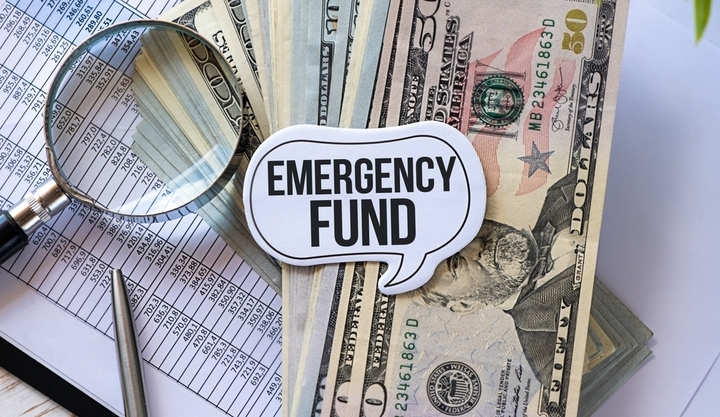
An emergency fund is a stash of easily accessible cash reserved exclusively for financial emergencies. It is not for splurging on a vacation, covering holiday shopping, or buying new gadgets. Its sole purpose is to provide a buffer when the unexpected happens, preventing you from sinking into high-interest debt (like credit cards or personal loans) or liquidating long-term investments (like retirement accounts) prematurely.
How Much Should You Save?
While the ideal size of an emergency fund varies based on individual circumstances, the general consensus among financial experts is:
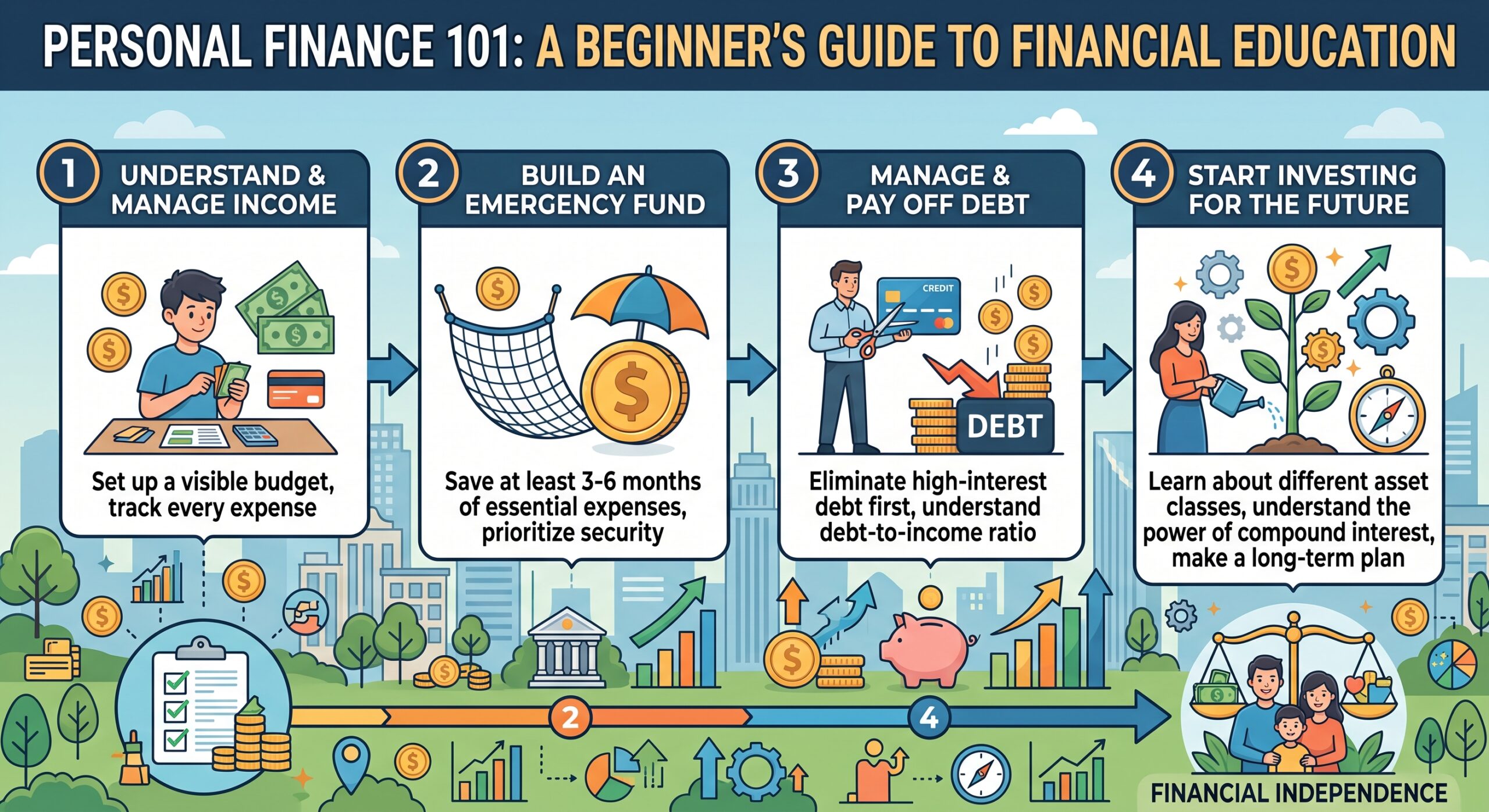
- Bare Minimum: 3 months of essential living expenses.
- Recommended Goal: 6 to 12 months of essential living expenses.
To calculate your personal goal, total up your non-negotiable monthly costs: rent/mortgage, minimum debt payments, groceries, utilities, and insurance. Expenses like dining out, entertainment, and non-essential subscriptions should be excluded from this calculation.
Example: If your essential monthly expenses are $3,000, your 6-month emergency fund goal would be $18,000.
5 Simple, Actionable Tips to Build Your Fund
Building a substantial savings cushion doesn’t happen overnight, but consistency and structure are key. Here are five straightforward steps to make your savings journey effective and automatic.
1. Treat It Like a Non-Negotiable Bill
The most critical step in building your emergency fund is to make saving automatic and treat it with the same urgency as your rent or mortgage payment.
- Automate Your Savings: Set up an automatic transfer from your checking account to your dedicated savings account to occur immediately after every paycheck. Start small—even $25 or $50 per week is a powerful beginning. The goal is to save money before you have a chance to spend it. This strategy is often referred to as “paying yourself first.”
- Create a Dedicated Account: Do not keep your emergency fund in the same checking account you use for daily transactions. Open a separate, High-Yield Savings Account (HYSA). HYSAs offer better interest rates than standard banks, and the separation reduces the temptation to dip into the funds for non-emergencies.
2. Slash and Save: Find the Money in Your Budget
To accelerate your savings, you need to free up cash flow. This requires a temporary (or permanent) commitment to reducing discretionary spending.
- Conduct a “Spending Audit”: Review your bank and credit card statements from the last three months. Identify areas where money is leaking: subscription services you don’t use, excessive eating out, or impulsive purchases. Cancel or drastically reduce these expenses.
- The “Fund-Your-Fund” Strategy: Actively seek out one-off opportunities to inject large sums into your savings. This could involve:
- Using any unexpected income (tax refunds, work bonuses, or cash gifts) and immediately transferring 100% of it to your emergency fund.
- Selling unwanted items (clothes, electronics, furniture) online or at a garage sale.
- Taking on a short-term, high-intensity side hustle for a few months.
3. Start Small and Follow the “Baby Steps”
Financial overwhelm is real. If the $10,000 or $20,000 goal feels impossible, break it down into smaller, achievable milestones.
- The $1,000 Starter Fund: Focus first on saving a quick $500 to $1,000. This smaller, initial goal is manageable and provides immediate protection against minor emergencies (e.g., a small deductible or a minor appliance repair). Achieving this first milestone provides a massive psychological boost.
- Increase Contributions Gradually: As you adjust to your new budget, periodically increase your automatic contribution. If you get a raise, commit to saving half of the extra income. If you pay off a debt (like a car payment), redirect that exact monthly payment straight into your emergency fund.
4. The “Snowball” and “Avalanche” Principles (Applied to Debt)
Debt—especially high-interest consumer debt—is the single biggest obstacle to building wealth and an emergency fund. You need a simultaneous strategy for both.
- The Debt Priority Balance: Many experts suggest saving your $1,000 Starter Fund first. This small amount protects you from getting new debt. Once that’s saved, aggressively attack any high-interest debt (usually anything over 10% APR) using the Debt Avalanche Method (paying off the highest interest rate debt first) or the Debt Snowball Method (paying off the smallest debt first).
- After Debt, Focus on Savings: Once high-interest debt is eliminated, you can pour all those former debt payments into rapidly building your 3-to-6-month emergency fund.
5. Where to Keep Your Money: Accessibility vs. Growth
An emergency fund must balance safety, liquidity, and growth potential.
- Accessibility is King: Your money needs to be available within 24-48 hours. This rules out investments like stocks, mutual funds, or Certificates of Deposit (CDs) that carry maturity penalties or market risk.
- Use a High-Yield Savings Account (HYSA): As mentioned, HYSAs offer superior interest rates compared to traditional bank savings accounts, meaning your money is safe, liquid, and is actively earning interest (even if just a small amount) while it sits. You can open them online and typically access the funds easily via electronic transfer.
- Maintain the Emergency Fund’s Identity: Do not invest this money in the stock market. While you miss out on potential higher returns, this money’s purpose is safety, not growth. Losing 30% of your safety net in a market downturn just when you need it is a financial catastrophe. Preservation of principal is the goal.
The Peace of Mind Dividend
The value of an emergency fund extends far beyond the dollar amount. It provides an intangible yet crucial benefit: peace of mind.
When a crisis hits, you are empowered to make rational decisions rather than fear-driven ones. You can take the time to find the right job instead of accepting the first low-paying offer. You can focus on recovery from an illness instead of worrying about how to pay the hospital bill.
Start today. Automate a small transfer, cut one non-essential expense, and commit to the process. Your future self will thank you for taking these simple steps to build your financial fortress.